How to Track Remote Performance Without Micromanaging
Tracking remote performance effectively involves setting clear expectations and fostering autonomy. Leaders must focus on outcomes rather than processes, enabling team members to manage their own workload. This approach not only respects the independence of employees but also enhances productivity and trust.
When and How to Apply
Apply this strategy when managing remote teams to maintain a balance between oversight and autonomy. Begin by clearly defining goals and deliverables, then use collaborative tools to track progress. Regular check-ins should be supportive rather than scrutinizing, focusing on removing obstacles and providing guidance.
Action Items
- Set Clear Objectives: Establish specific, measurable goals for each team member to guide their work autonomously.
- Use Collaborative Tools: Implement platforms like project management software to track progress without constant oversight.
- Schedule Regular Check-ins: Conduct supportive meetings to discuss progress, challenges, and provide feedback, ensuring they are seen as a space for collaboration.
- Encourage Self-Assessment: Invite team members to evaluate their performance and suggest improvements, fostering ownership of their roles.
Leadership FAQ
Set clear expectations, use collaborative tools, and conduct regular check-ins to maintain accountability.
Utilize project management software like Trello or Asana and communication platforms like Slack for efficient tracking.
Foster open communication, recognize achievements, and support work-life balance to boost morale effectively.

Susan Lenning is a leadership expert writing articles for 10xLEADER.
Empower Your Leadership Journey with Innovation
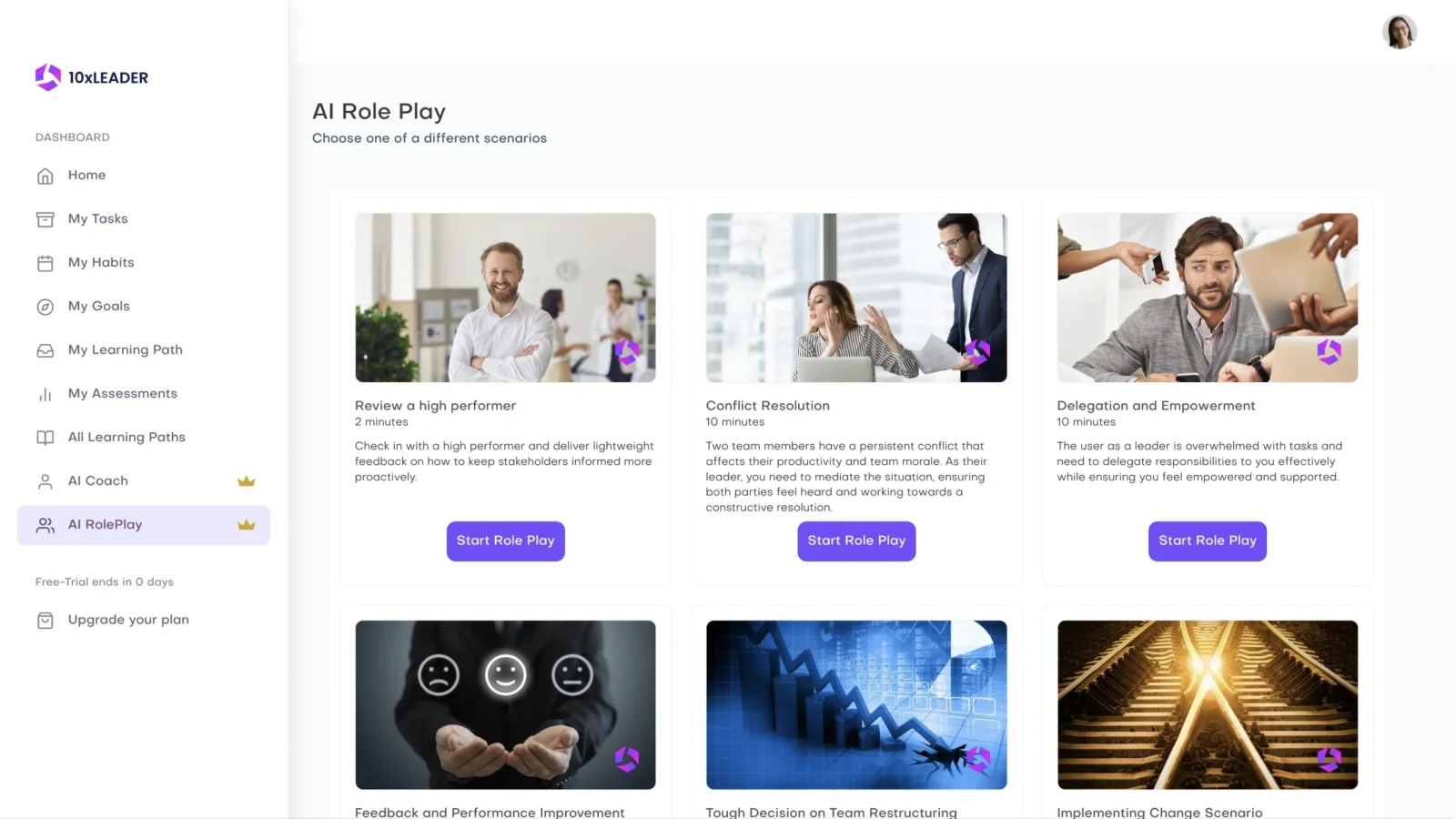
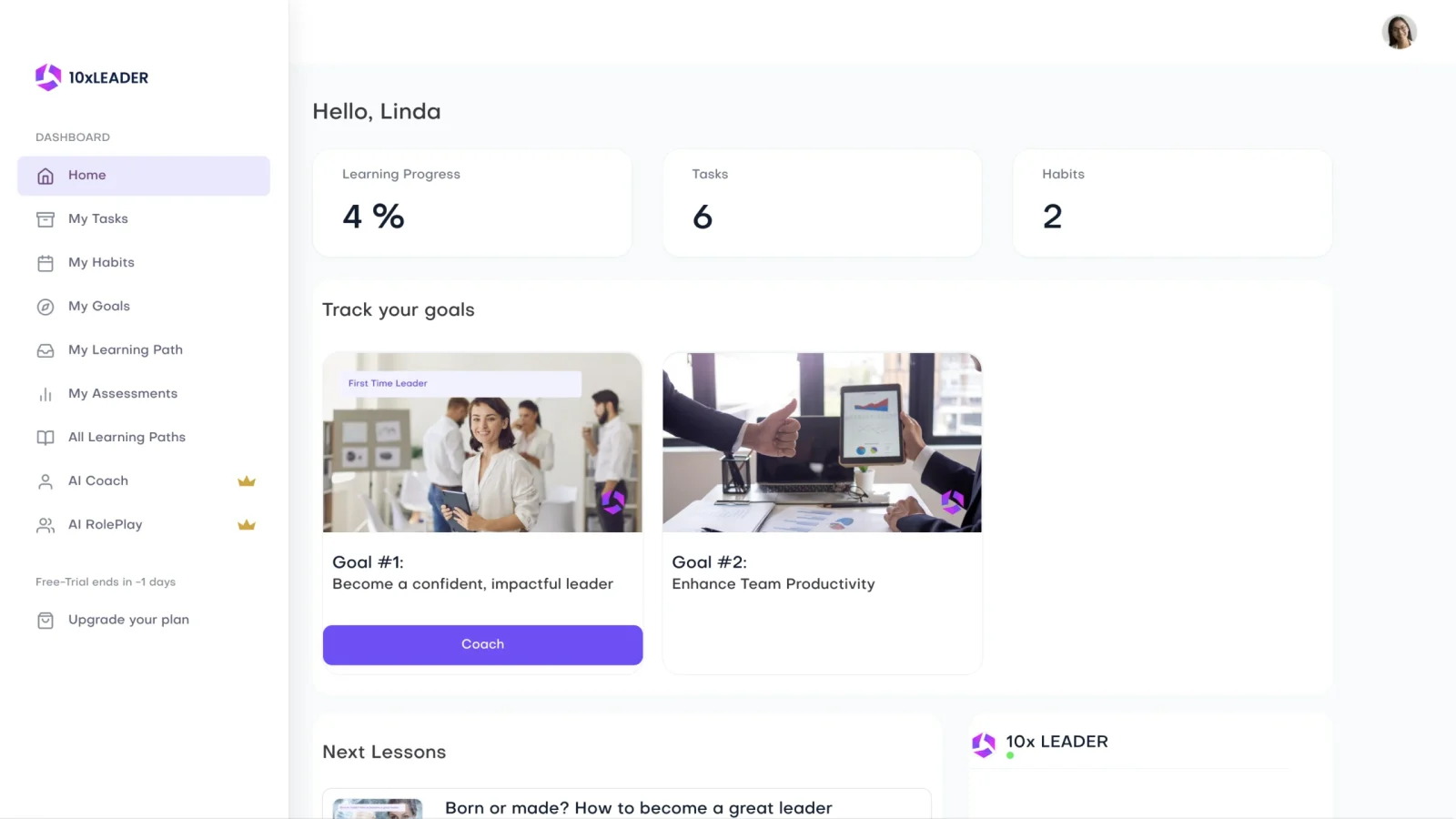
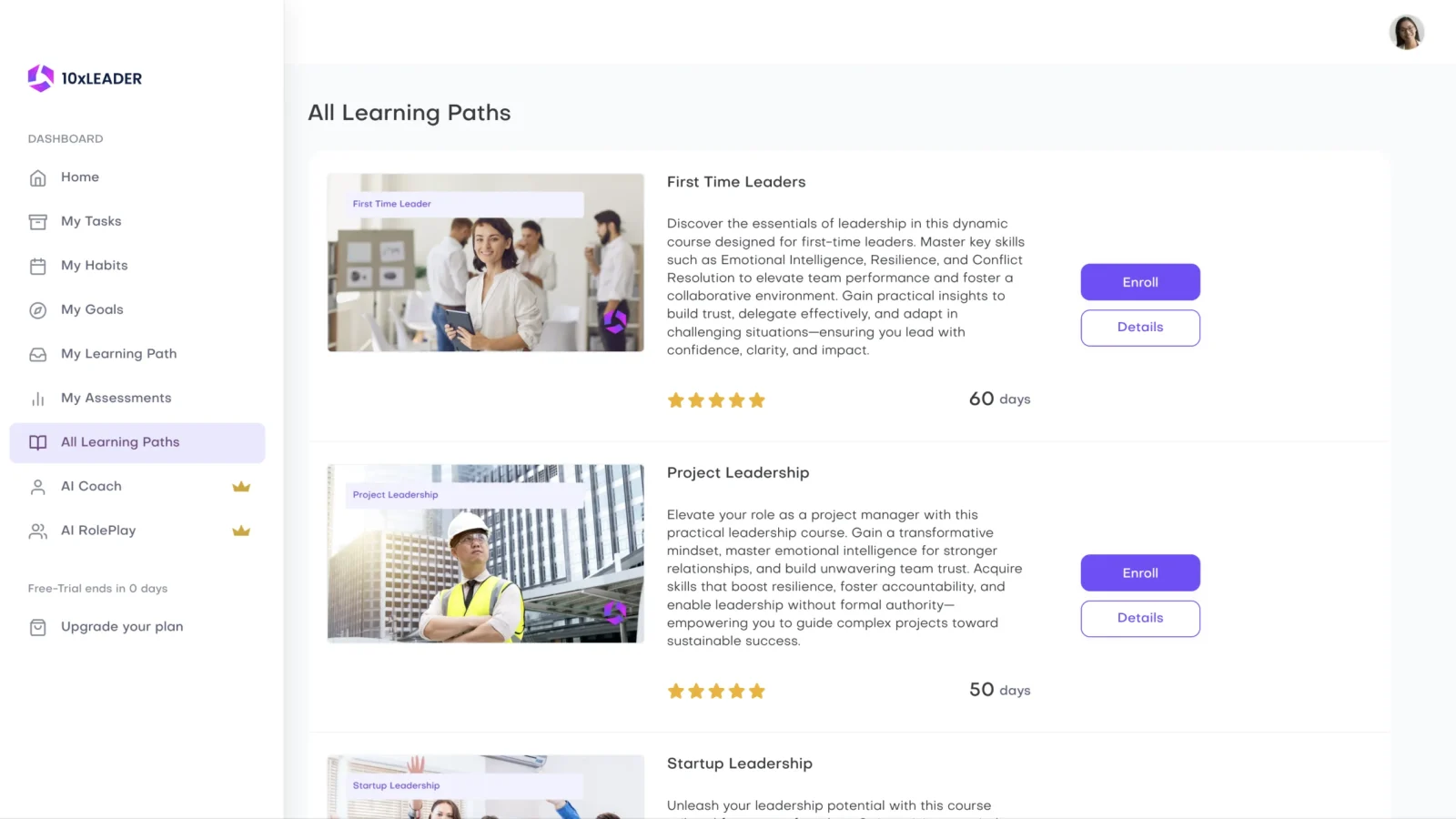
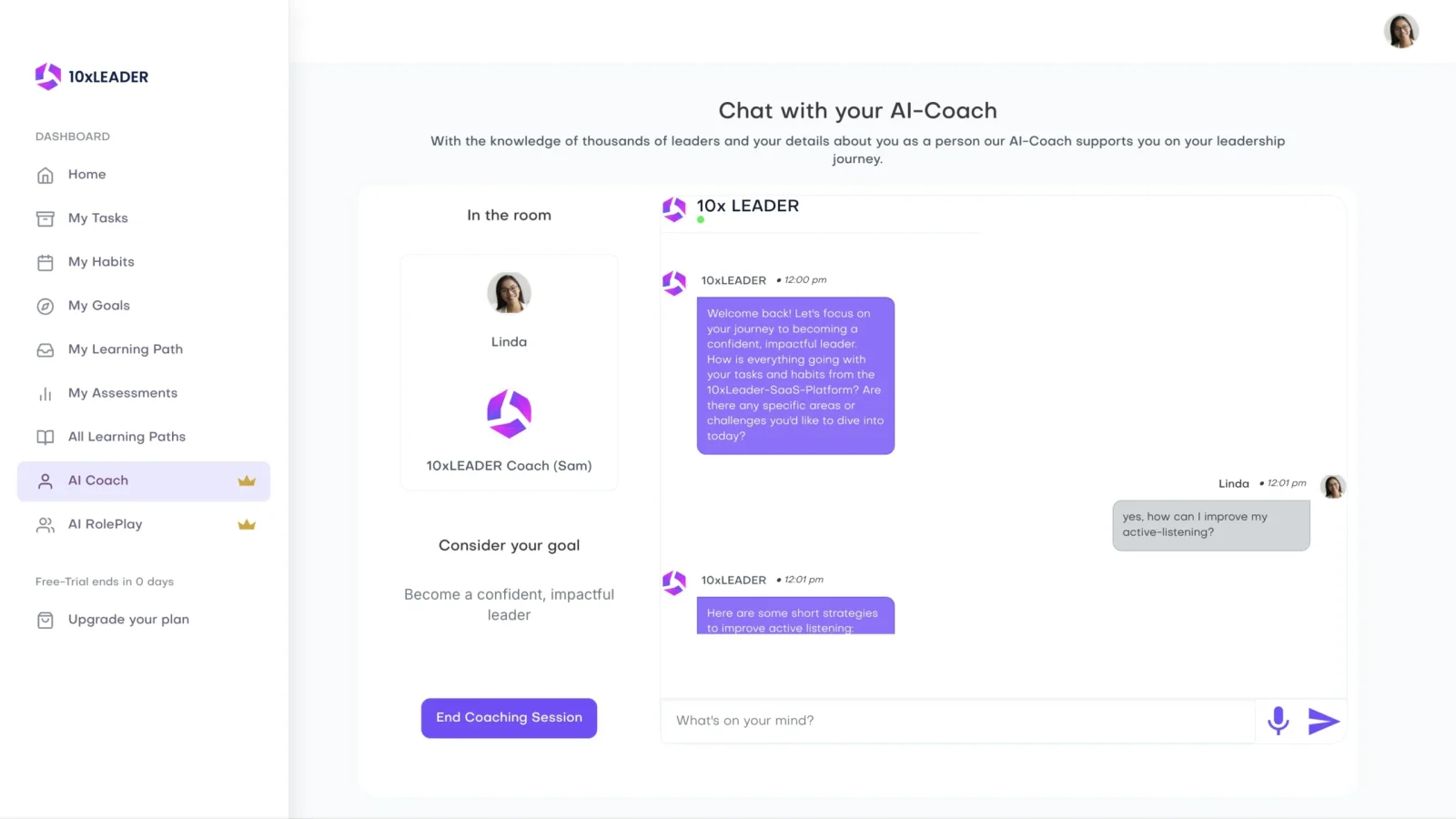
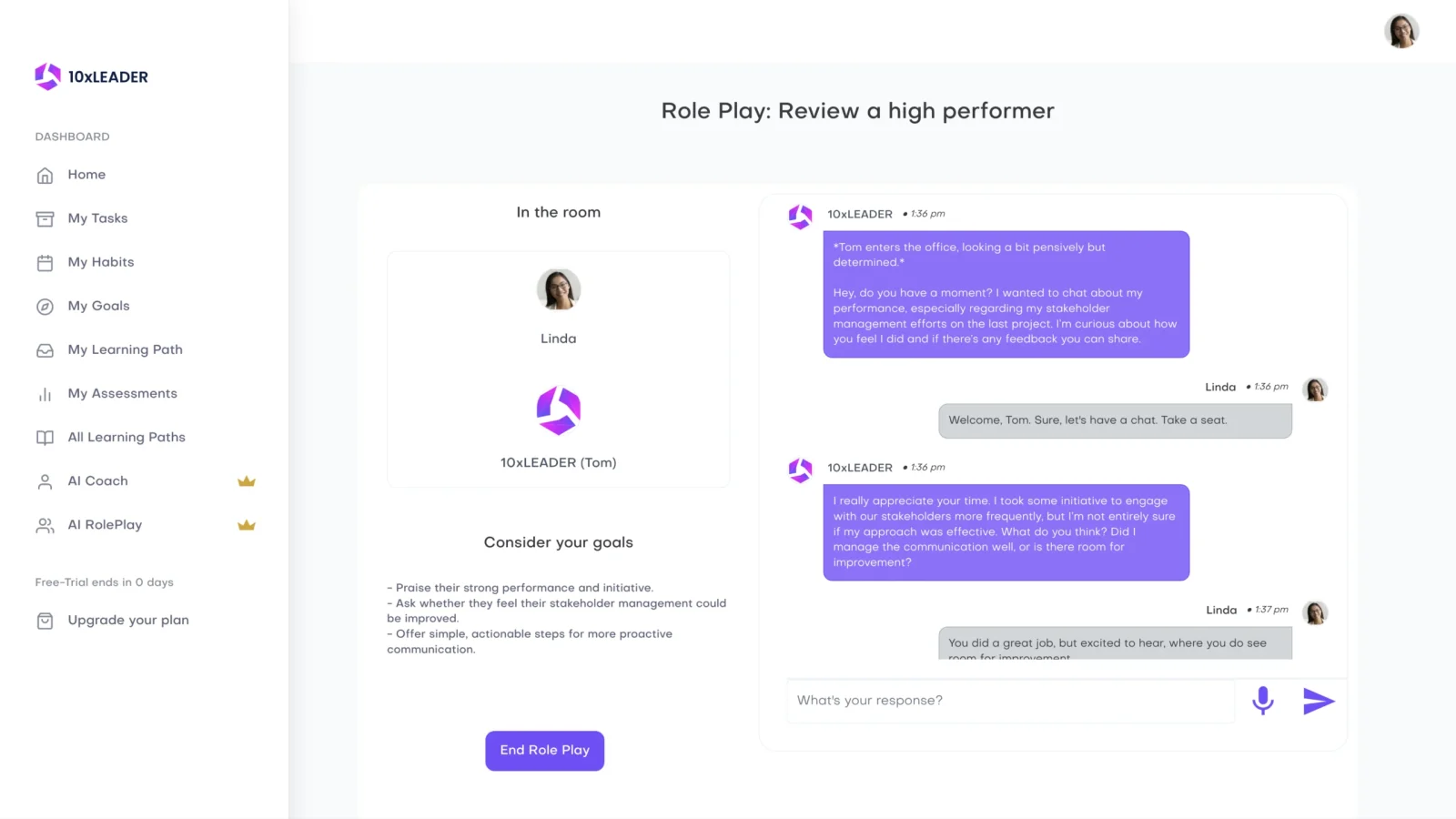
Start your journey with 10xLEADER's innovative features—AI-driven coaching, personalized learning paths, and actionable habits—to redefine leadership in a fast-paced world.