Best Way to Communicate Direct Report Performance
Effectively communicating a direct report’s performance involves a balanced approach that combines clarity, empathy, and actionable feedback. It’s essential to have regular check-ins, provide both positive and constructive feedback, and use a structured format that ensures transparency and understanding. This approach not only fosters a culture of continuous improvement but also strengthens the leader-employee relationship.
When and How to Apply
Apply this strategy during regular performance reviews or scheduled one-on-one meetings. Use these sessions to discuss achievements, areas for improvement, and set future goals. Foster an open dialogue where your direct report feels comfortable sharing their perspectives. Ensure your feedback is specific and linked to their role and objectives, which helps in setting clear expectations and aligning with the company’s vision.
Action Items
- Schedule Regular Check-Ins: Set consistent times for performance discussions, allowing both parties to prepare and reflect.
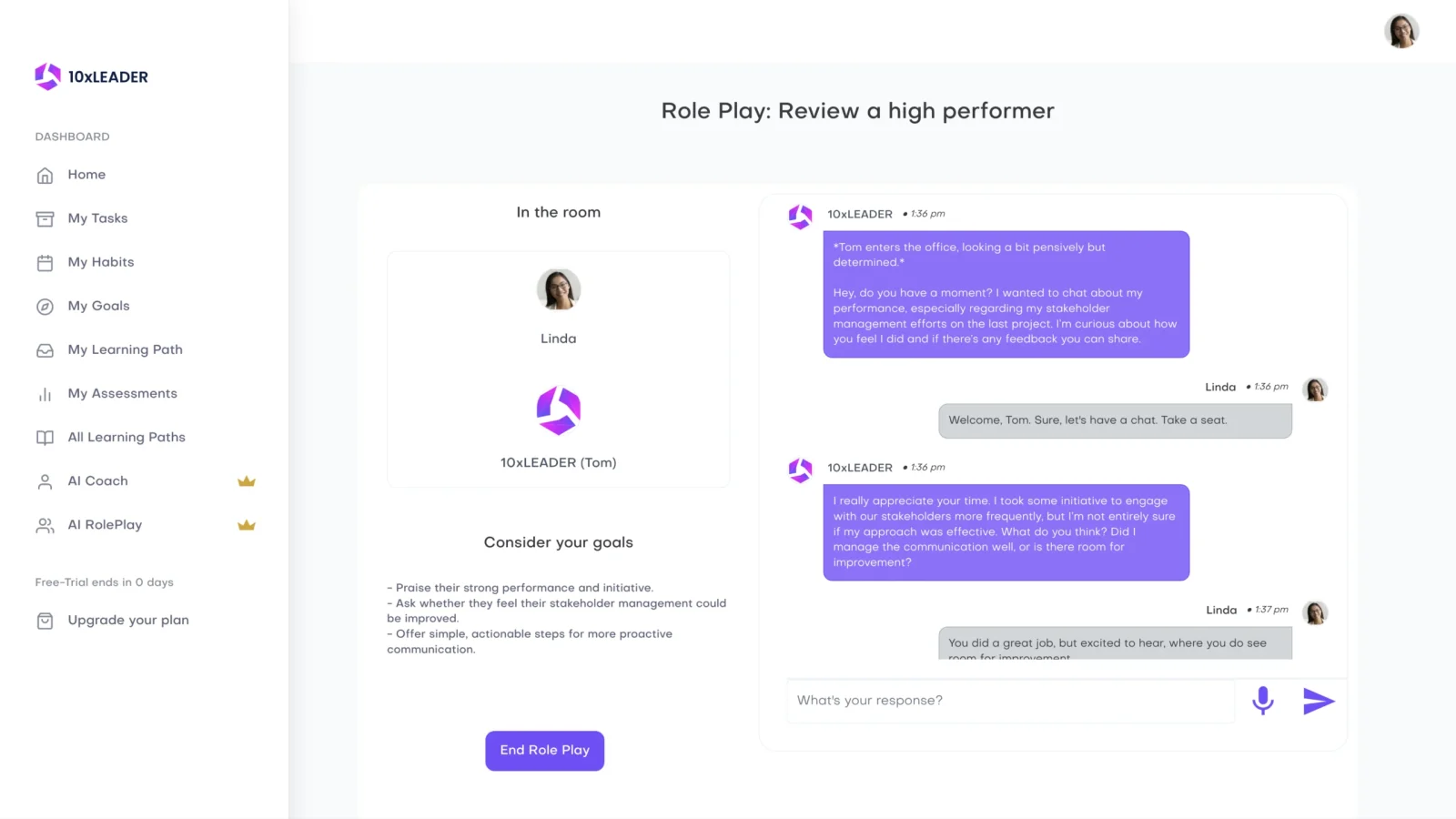
- Use the Feedback Sandwich Technique: Start with positive feedback, address areas for improvement, and conclude with encouragement to reinforce their strengths.
- Set SMART Goals: Collaborate on creating Specific, Measurable, Achievable, Relevant, and Time-bound goals to guide performance improvements.
- Encourage Self-Assessment: Ask your direct reports to evaluate their own performance, which can provide insights into their self-awareness and development needs.
- Document and Follow-Up: Record key points from the discussion and agree on actionable steps, ensuring accountability and progress tracking.
By implementing these practices, leaders can enhance communication, foster employee growth, and build a more engaged and productive team.
Leadership FAQ
Regular feedback is crucial, ideally during weekly check-ins, to address issues promptly and reinforce positive performance.
Address underperformance with a private, constructive conversation focused on specific areas for improvement and offer support for development.
Use a balanced approach, highlighting strengths and areas for improvement, and ensure the feedback is specific, actionable, and delivered with empathy.

Susan Lenning is a leadership expert writing articles for 10xLEADER.
Empower Your Leadership Journey with Innovation
Start your journey with 10xLEADER's innovative features—AI-driven coaching, personalized learning paths, and actionable habits—to redefine leadership in a fast-paced world.