The Best Way to Create Remote Engagement
To foster engagement in remote teams, leaders must embrace communication and inclusivity. The key is to establish regular, meaningful connections that not only inform but also inspire. This involves using diverse communication channels to cater to different preferences and ensuring everyone’s voice is heard. By balancing structured meetings with informal interactions, leaders can maintain a sense of community and purpose.
When and How to Apply
Apply these strategies during weekly team meetings and in daily interactions. Use video calls for direct communication and collaboration tools for ongoing engagement. Tailor your approach based on the team’s dynamics and individual needs, ensuring flexibility and openness to feedback. Recognize that each team member may have different engagement triggers and adapt accordingly.
Action Items
- Schedule Regular Check-ins: Set up weekly video meetings to discuss progress and address concerns, fostering a routine that keeps everyone aligned.
- Utilize Diverse Communication Channels: Employ a mix of email, instant messaging, and collaboration platforms to ensure information reaches everyone effectively.
- Encourage Informal Interactions: Create virtual spaces for casual chats or coffee breaks to build rapport and strengthen team bonds.
- Solicit and Act on Feedback: Regularly seek input from your team on engagement efforts and be willing to make changes based on their suggestions.
- Recognize Achievements: Publicly acknowledge individual and team successes to boost morale and motivation across remote settings.
Leadership FAQ
Leaders can foster cohesion by using collaborative tools, encouraging regular check-ins, and creating virtual team-building activities.
Effective communication is crucial; it ensures clarity, aligns expectations, and builds trust, which are vital for remote engagement.
Leaders should offer flexible work arrangements and hold one-on-one meetings to understand and support individual team member needs.

Susan Lenning is a leadership expert writing articles for 10xLEADER.
Empower Your Leadership Journey with Innovation
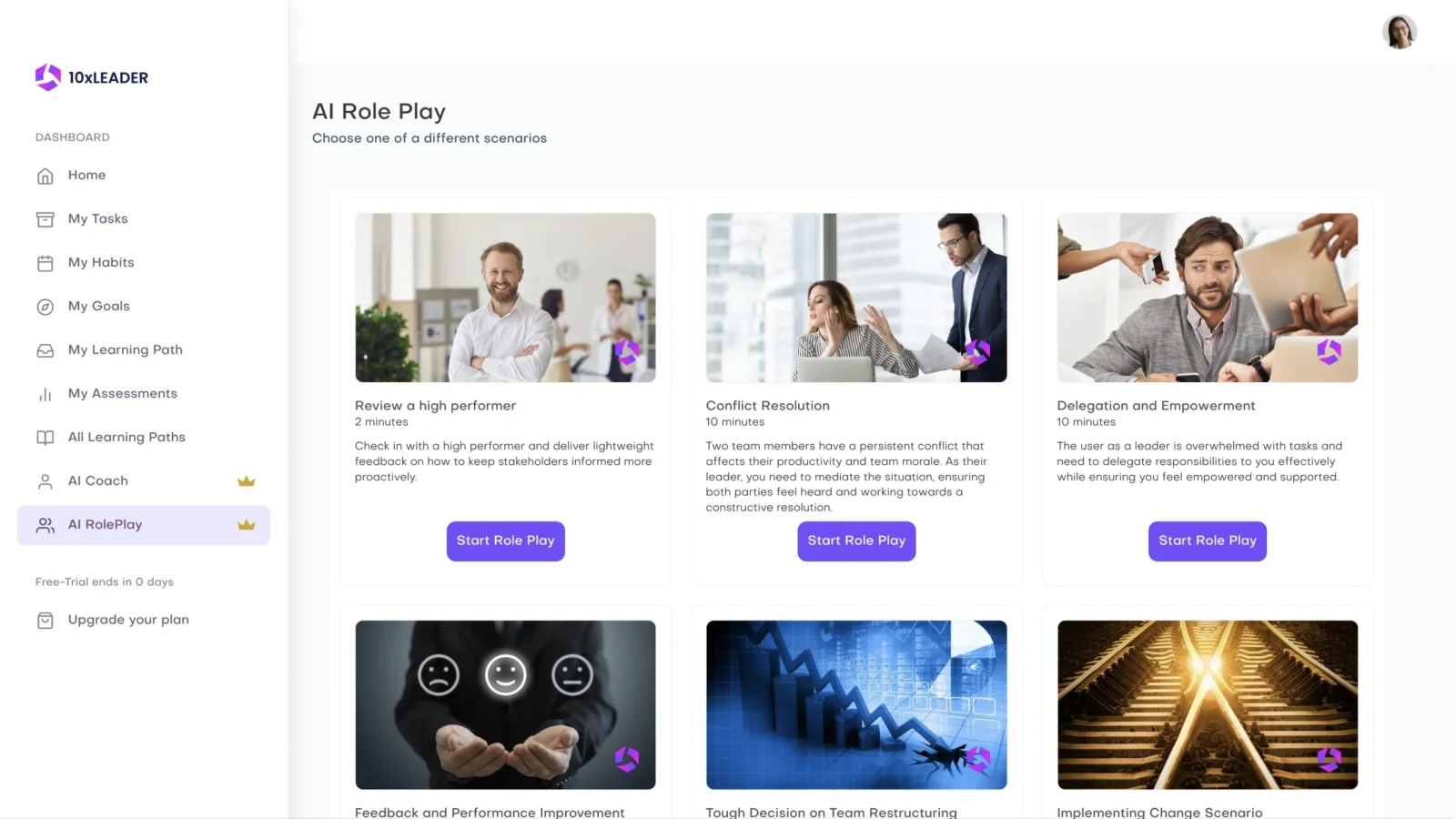
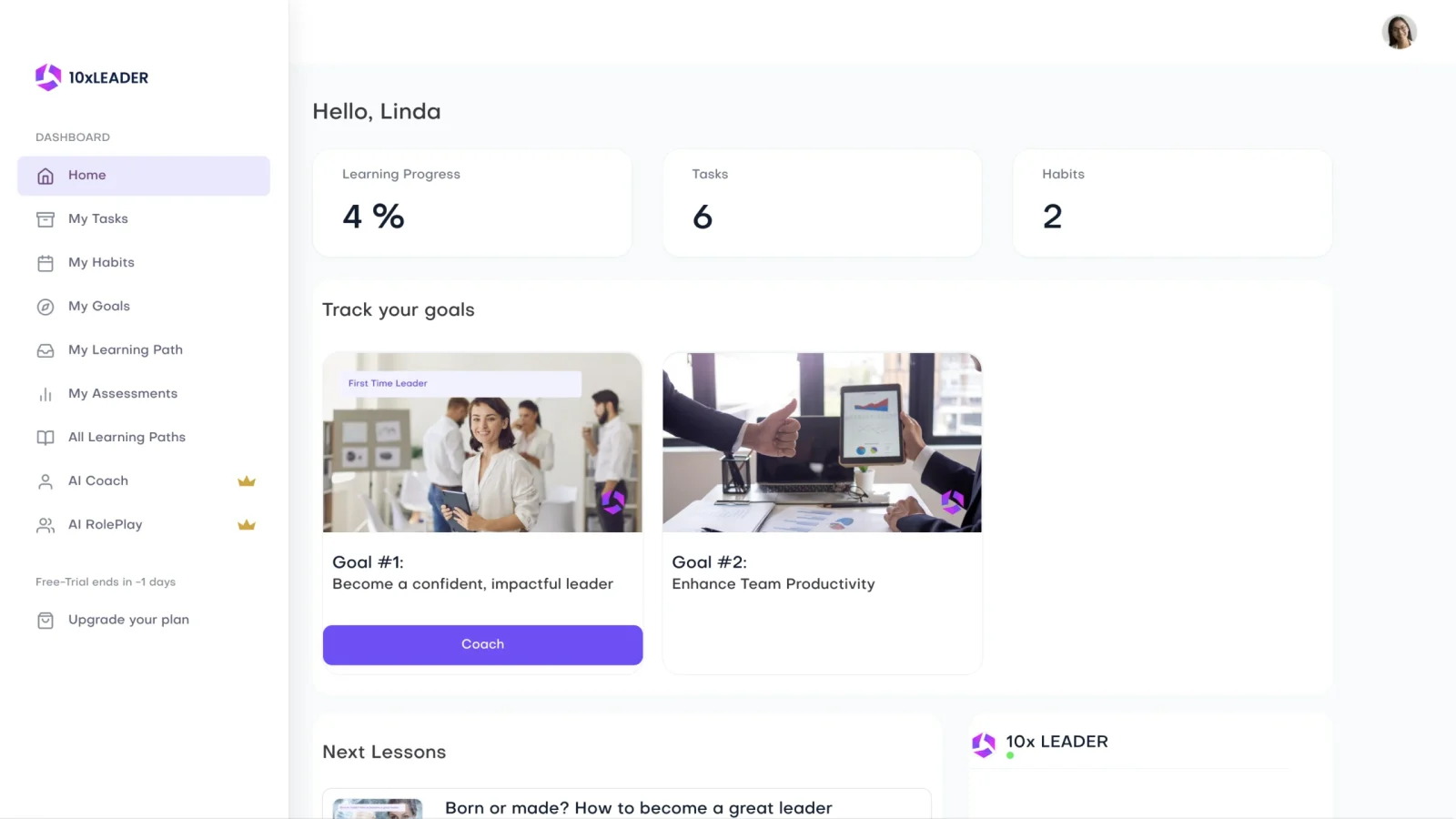
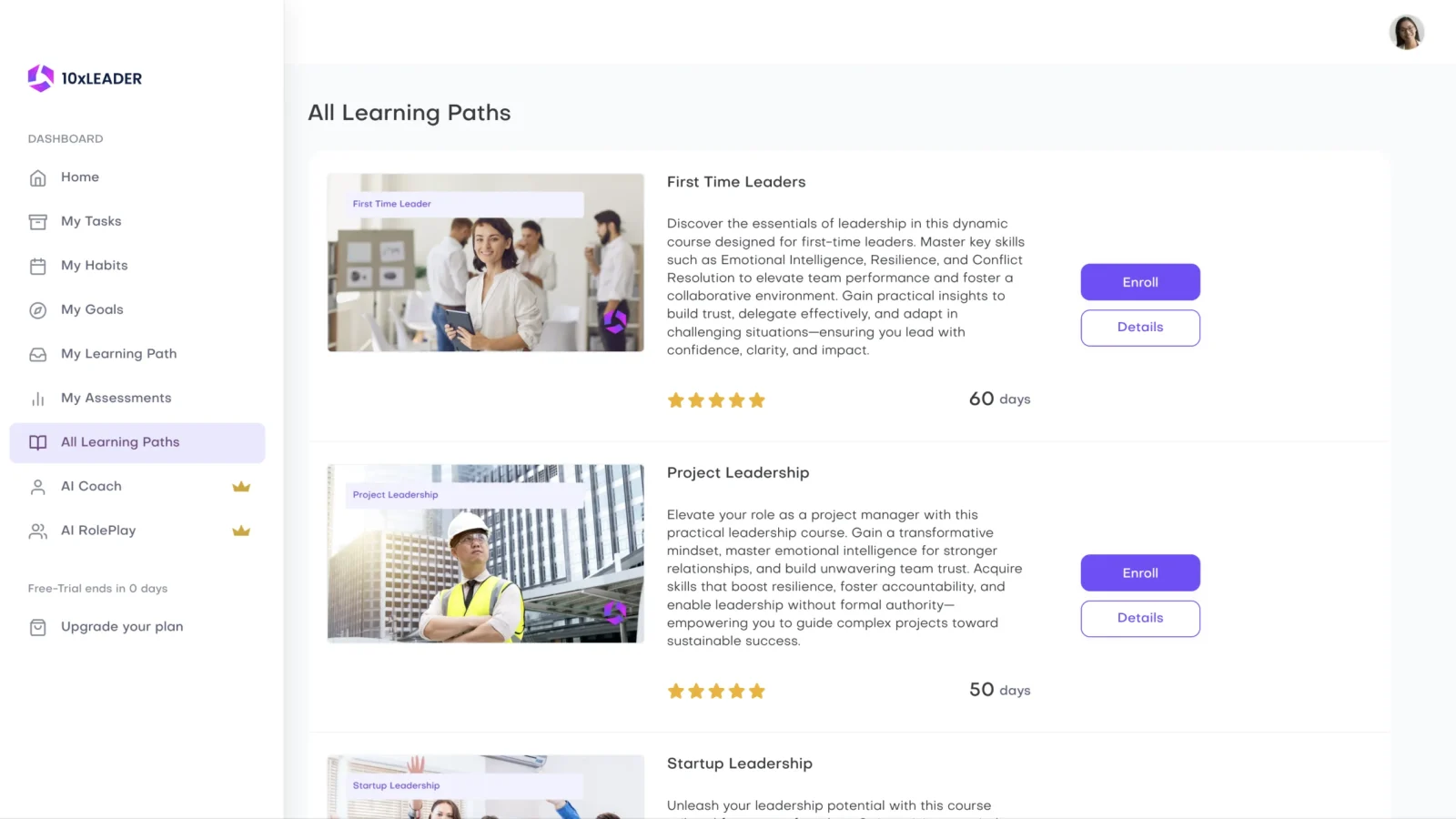
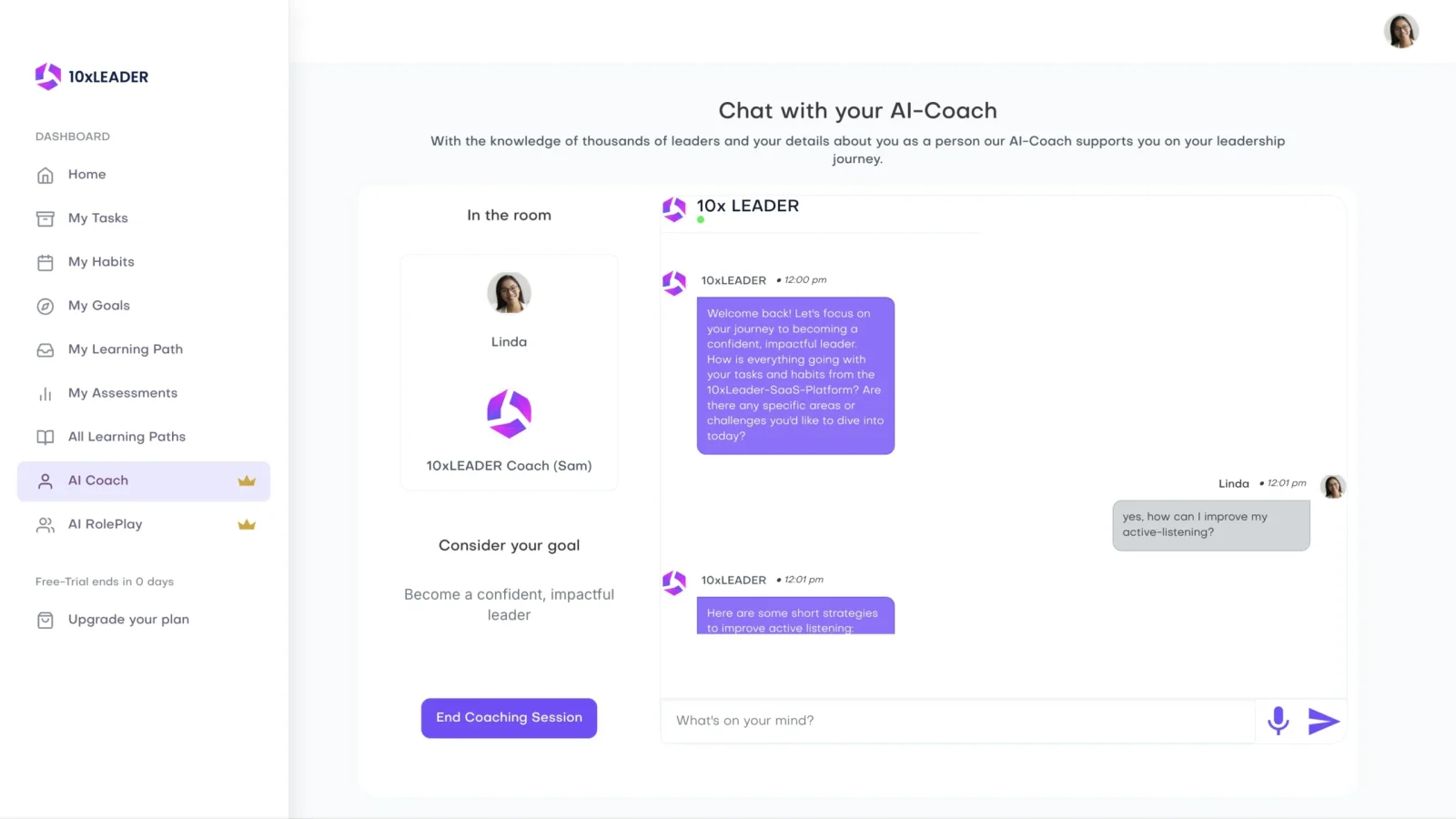
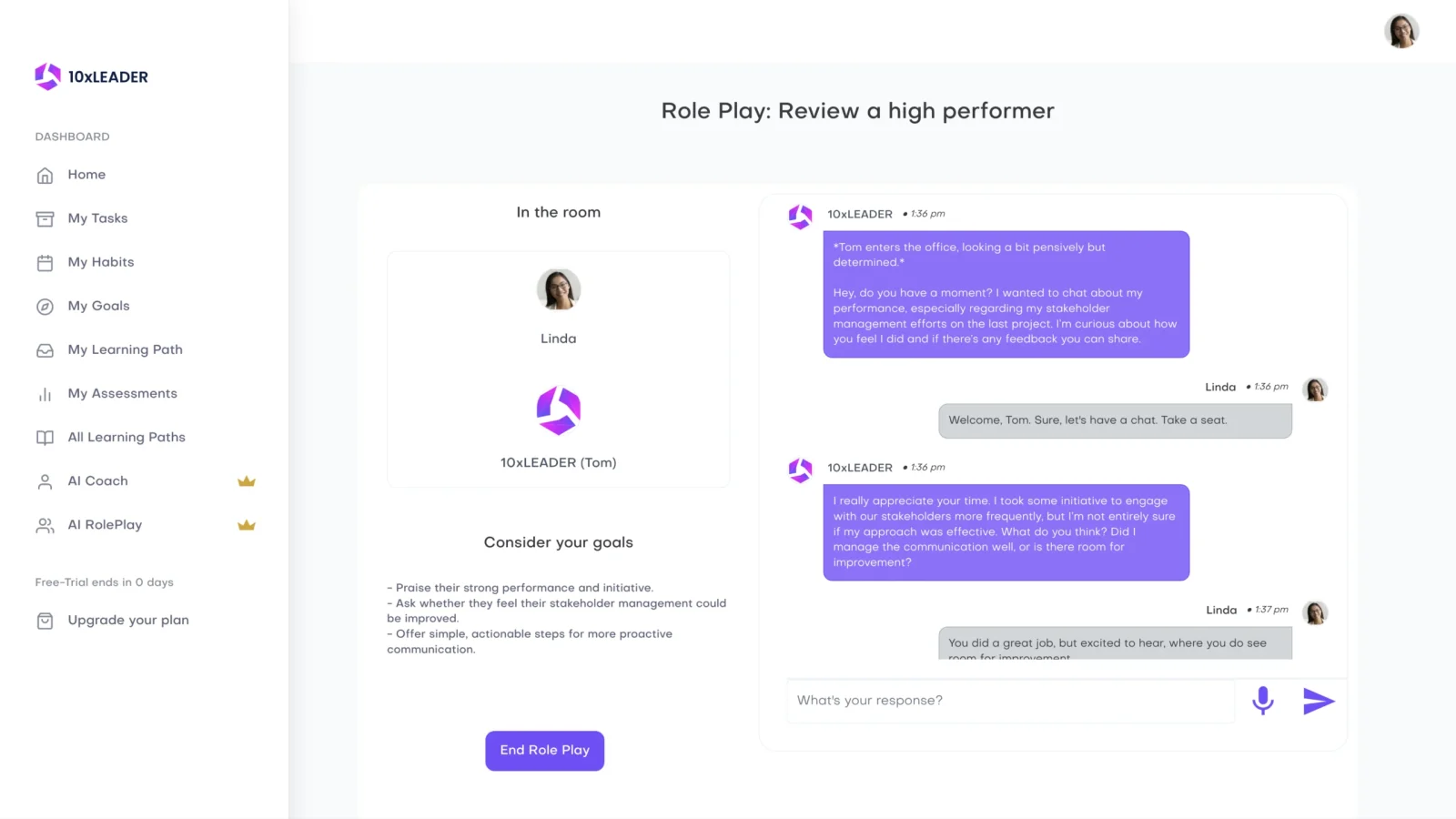
Start your journey with 10xLEADER's innovative features—AI-driven coaching, personalized learning paths, and actionable habits—to redefine leadership in a fast-paced world.