How to Handle Quiet Team Members in Meetings
Quiet team members often bring invaluable insights but may hesitate to share them in meetings. As a leader, it’s crucial to create an inclusive environment that encourages participation from all voices. Engage these individuals by directly inviting their input, ensuring they feel valued and heard. This not only fosters a collaborative atmosphere but also enhances team dynamics by drawing out diverse perspectives.
When and How to Apply
Apply these strategies during regular team meetings, especially when discussing complex projects or brainstorming sessions. Start by setting the tone at the beginning of the meeting, emphasizing the importance of contributions from everyone. Use these techniques when you notice a pattern of silence or when decisions require broader input for successful implementation.
Action Items
- Create a safe environment: Encourage open dialogue by acknowledging that all opinions are welcome and valued.
- Ask open-ended questions: Directly address quieter members with questions that invite detailed responses, such as, „What are your thoughts on this approach?“
- Use small group discussions: Break into smaller groups where quieter individuals might feel more comfortable sharing ideas.
- Follow-up individually: After meetings, check in with quieter members to gather their insights and reassure them of their importance to the team.
- Rotate facilitation roles: Give quieter team members the opportunity to lead parts of the meeting, boosting their confidence and engagement.
By implementing these strategies, leaders can harness the full potential of their teams, drawing out the unique strengths of quieter members and enhancing overall productivity and innovation.
Leadership FAQ
Create a safe space by actively listening and encouraging input without judgment. Use open-ended questions to invite their perspectives.
Assign roles like note-taking or time-keeping to involve them actively. Consider smaller group discussions before larger meetings.
Check in with them privately to understand their preferences and comfort levels. Provide options for them to contribute in writing if preferred.

Susan Lenning is a leadership expert writing articles for 10xLEADER.
Empower Your Leadership Journey with Innovation
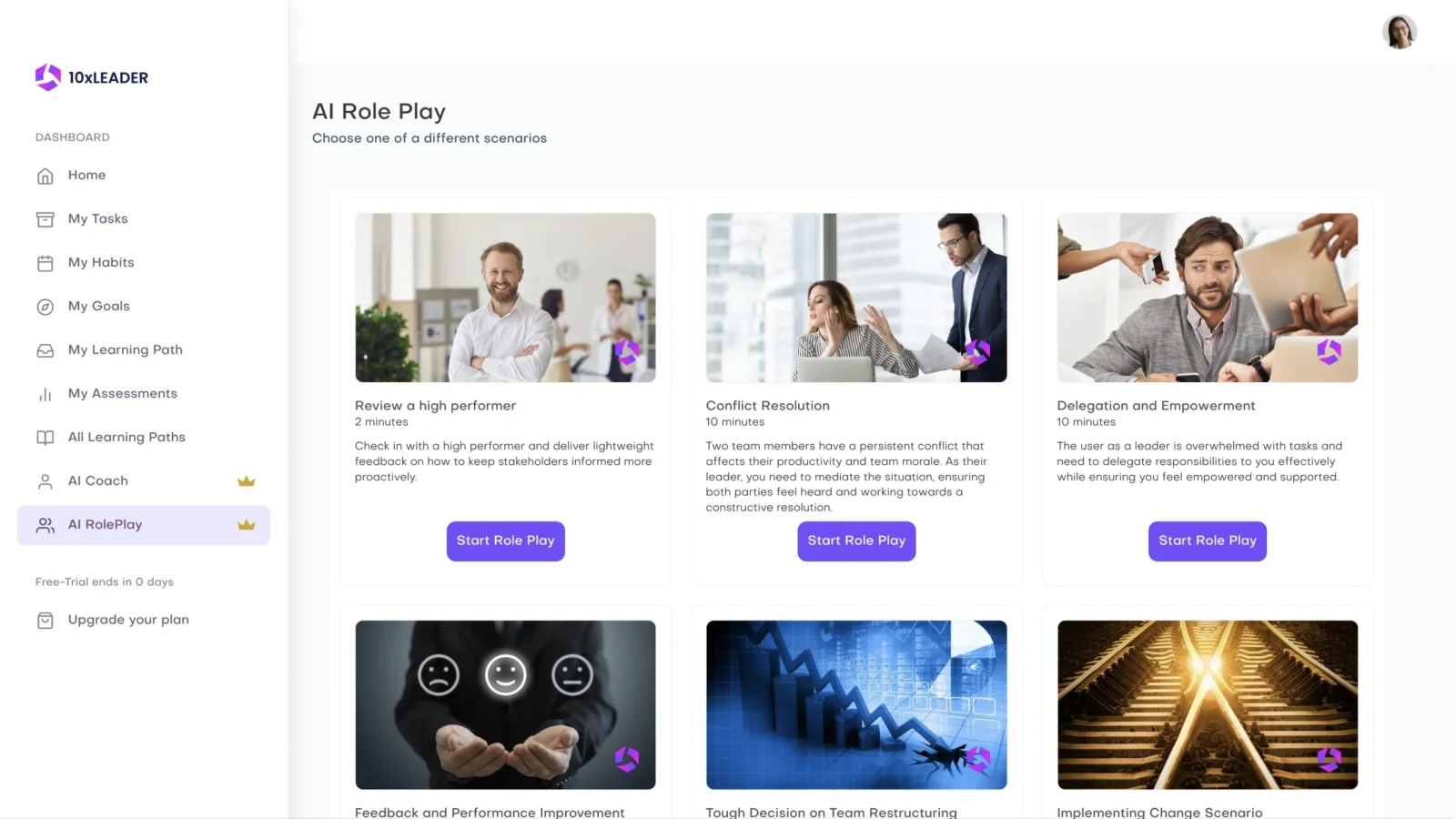
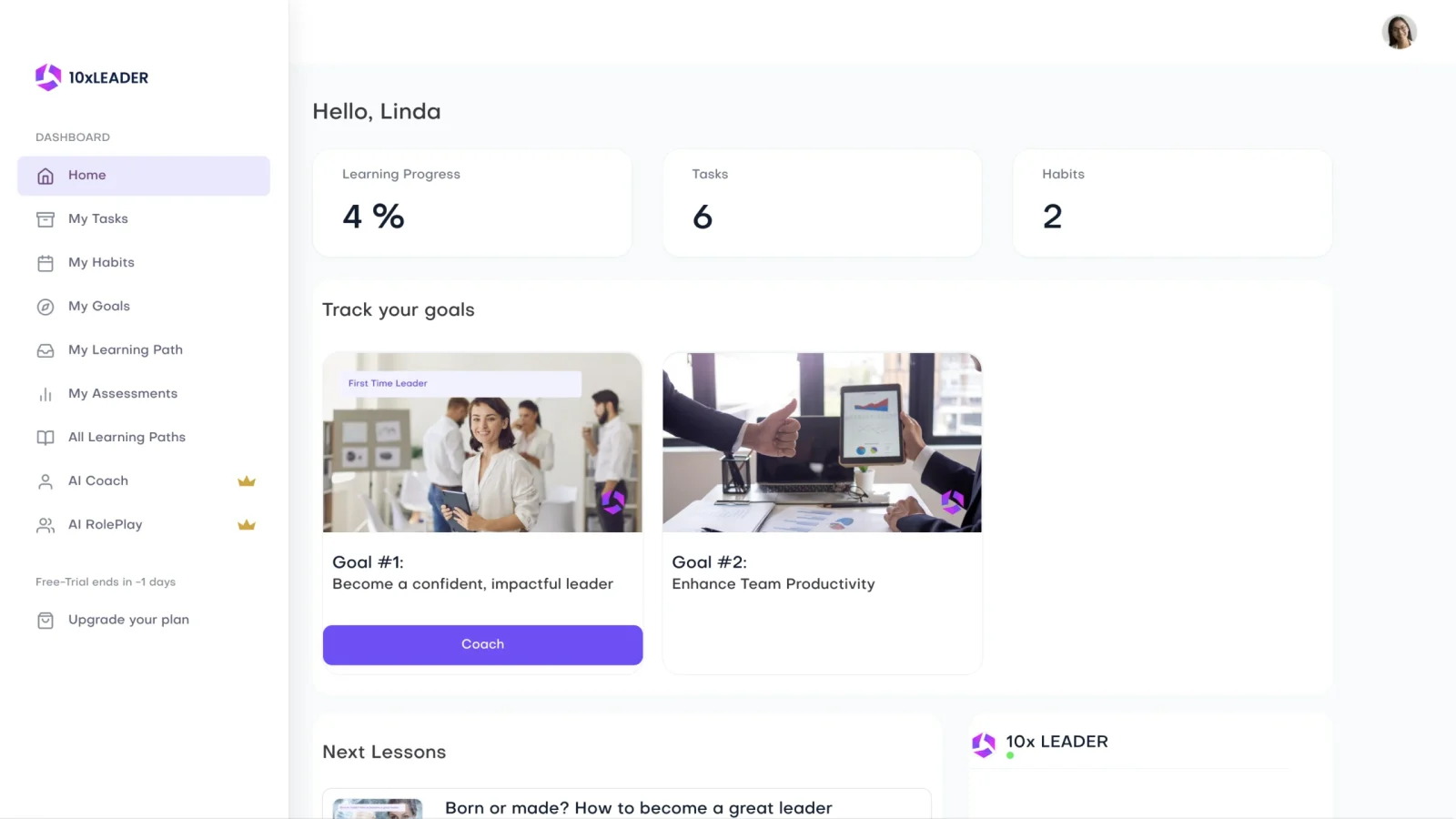
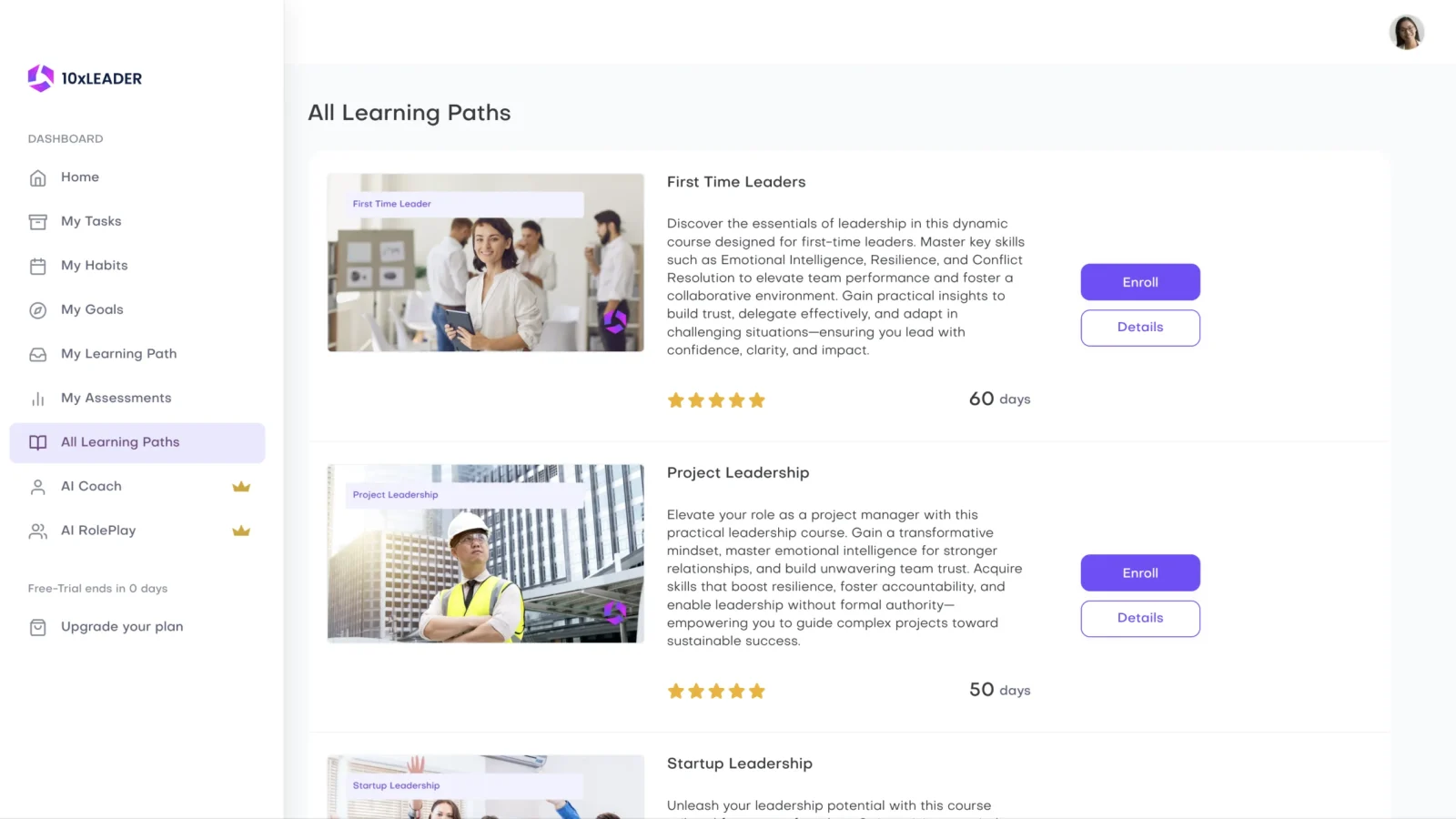
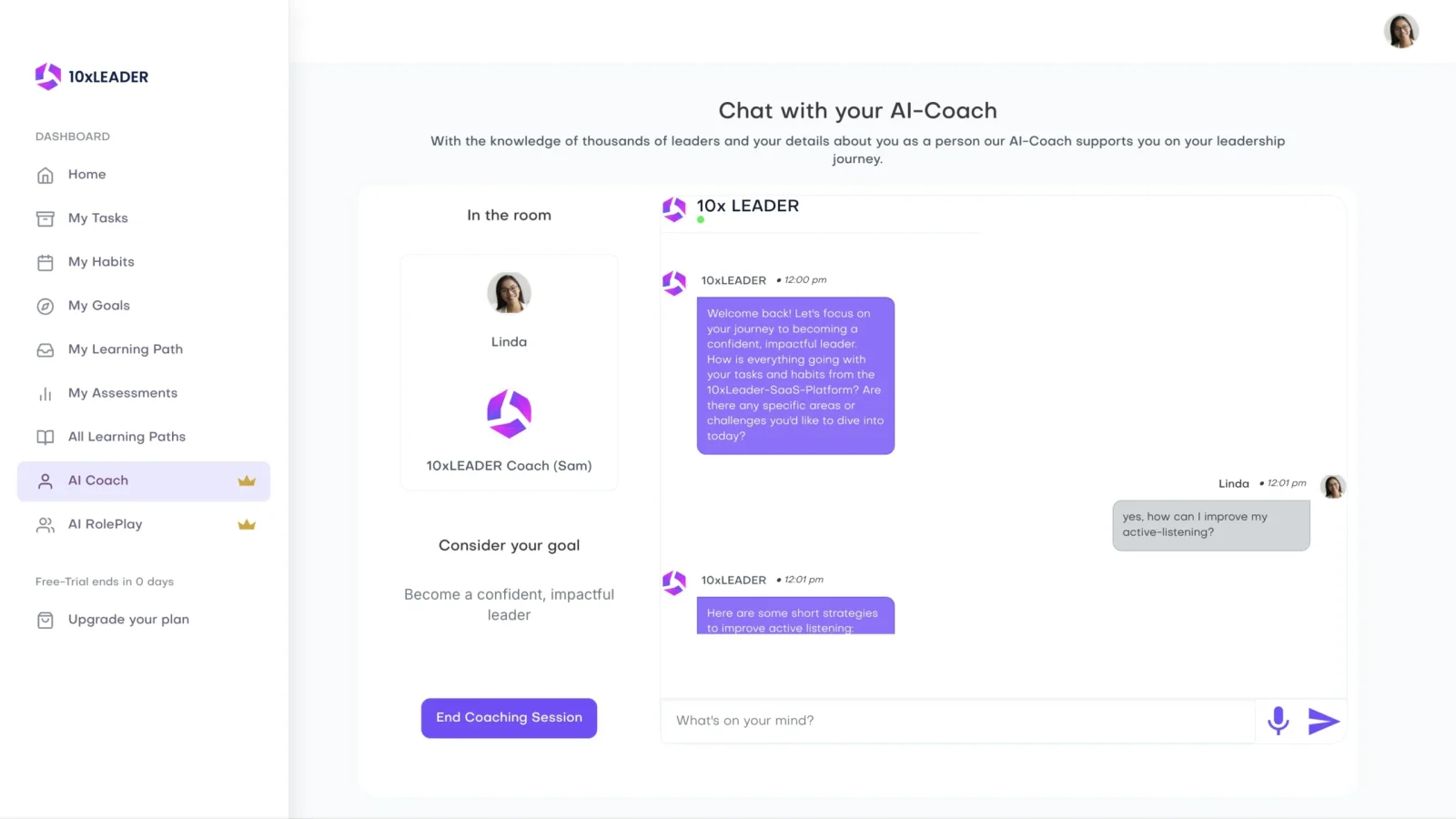
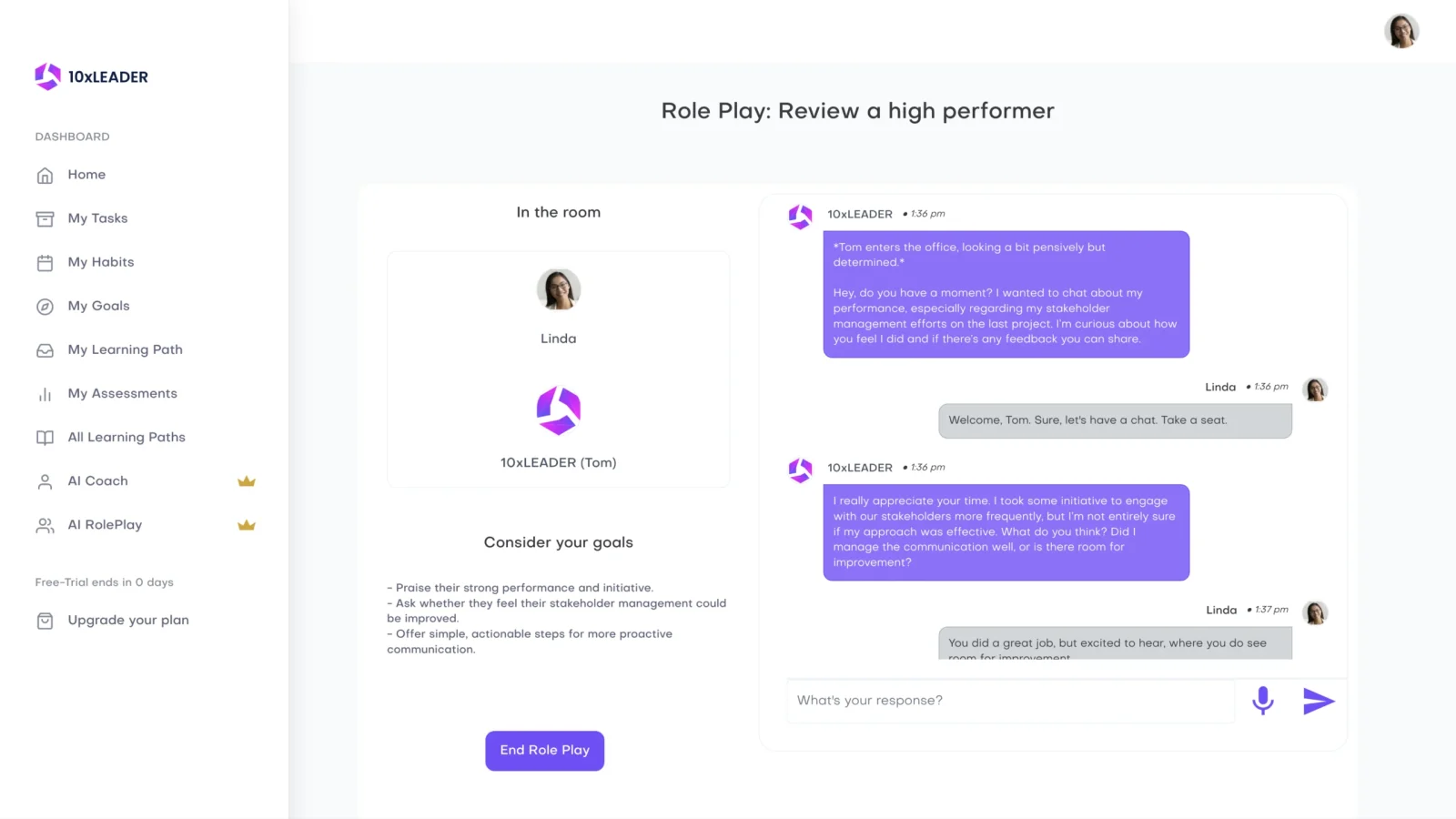
Start your journey with 10xLEADER's innovative features—AI-driven coaching, personalized learning paths, and actionable habits—to redefine leadership in a fast-paced world.