How to Give Constructive Feedback Without Provoking Defensiveness
Constructive feedback is an essential leadership tool that, when delivered effectively, can foster growth and improvement. The best way to deliver feedback without triggering defensiveness is to focus on being specific, balanced, and empathetic. Start by clearly stating the issue with concrete examples, ensuring the feedback feels constructive rather than critical. Balance your feedback by acknowledging strengths alongside areas for improvement. Empathy plays a crucial role; understanding the recipient’s perspective can help tailor your approach to be more supportive and less confrontational.
When and How to Apply
Apply this feedback strategy during regular one-on-one meetings or after specific projects, ensuring the timing is right for an open, honest conversation. Choose a private setting where the individual feels comfortable and ensure your tone is supportive. Utilize active listening to understand their viewpoint and encourage dialogue. This approach not only diminishes defensiveness but also builds trust and strengthens relationships.
Action Items
- Prepare Specific Examples: Before the meeting, gather concrete examples of the behavior or issue to discuss, which helps in keeping the feedback factual and objective.
- Utilize the „Sandwich“ Technique: Start with positive feedback, discuss the area for improvement, and end with encouragement or another positive remark to maintain morale.
- Practice Empathy: Put yourself in the recipient’s shoes and consider their perspective. This practice helps in framing your feedback in a way that feels collaborative.
- Encourage Dialogue: Invite the recipient to share their thoughts and feelings about the feedback. This two-way communication fosters understanding and reduces resistance.
Leadership FAQ
Use specific examples and focus on behavior rather than personality to ensure feedback is seen as constructive.
Create a safe environment by showing empathy and allowing the other person to express their perspective.
Employ the ’sandwich approach‘ by starting and ending with positive feedback while addressing areas for improvement in between.

Susan Lenning is a leadership expert writing articles for 10xLEADER.
Empower Your Leadership Journey with Innovation
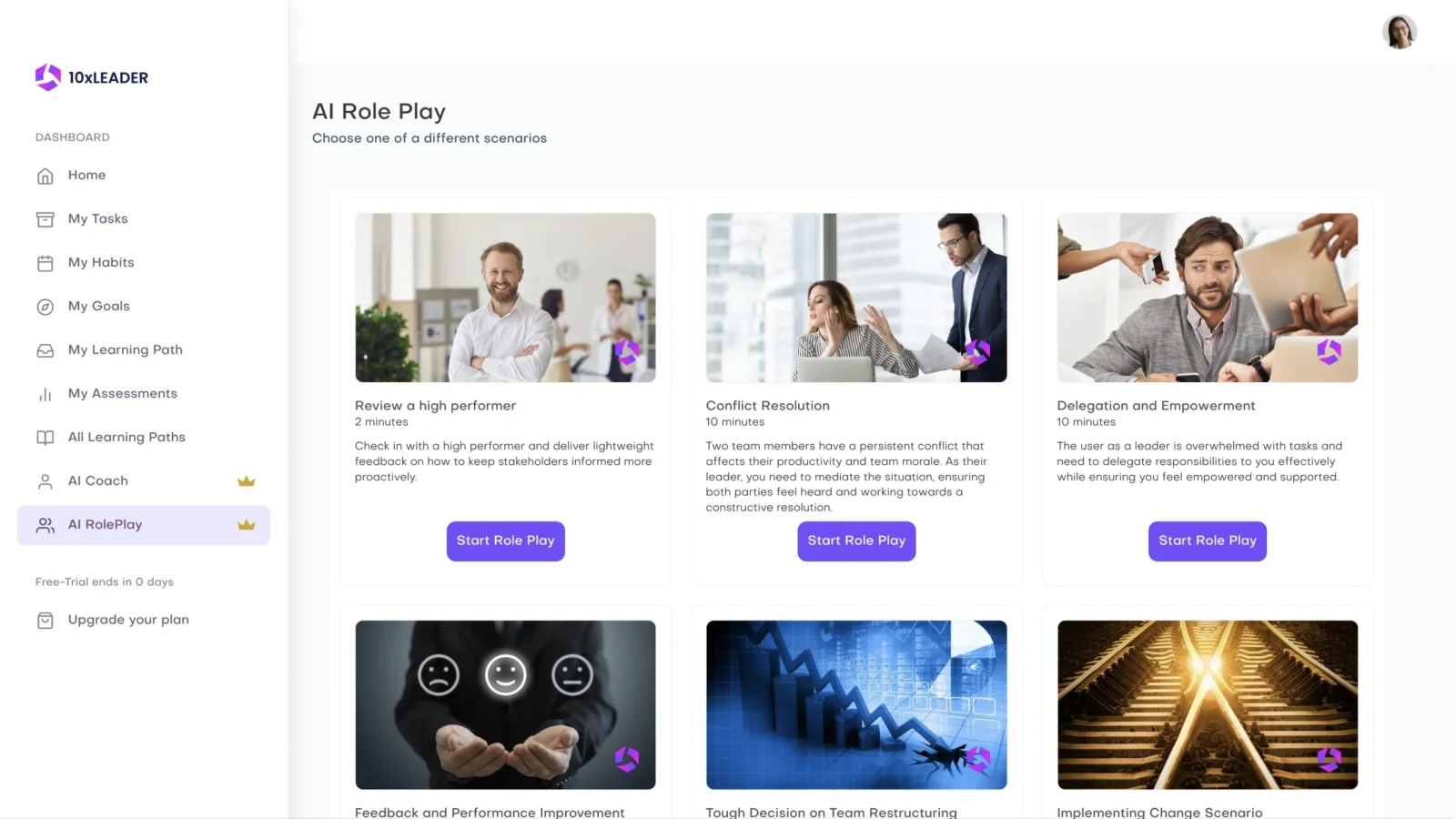
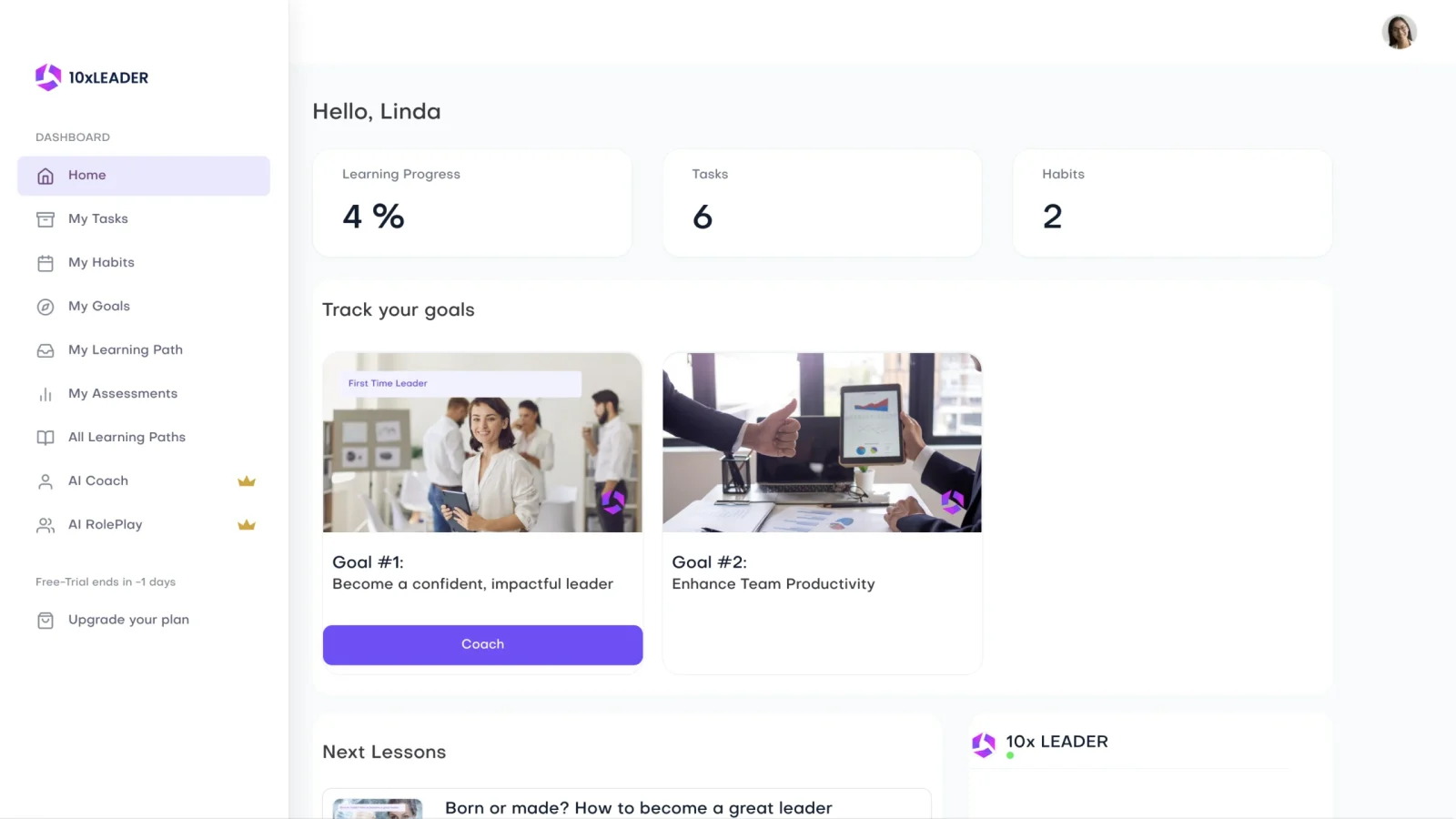
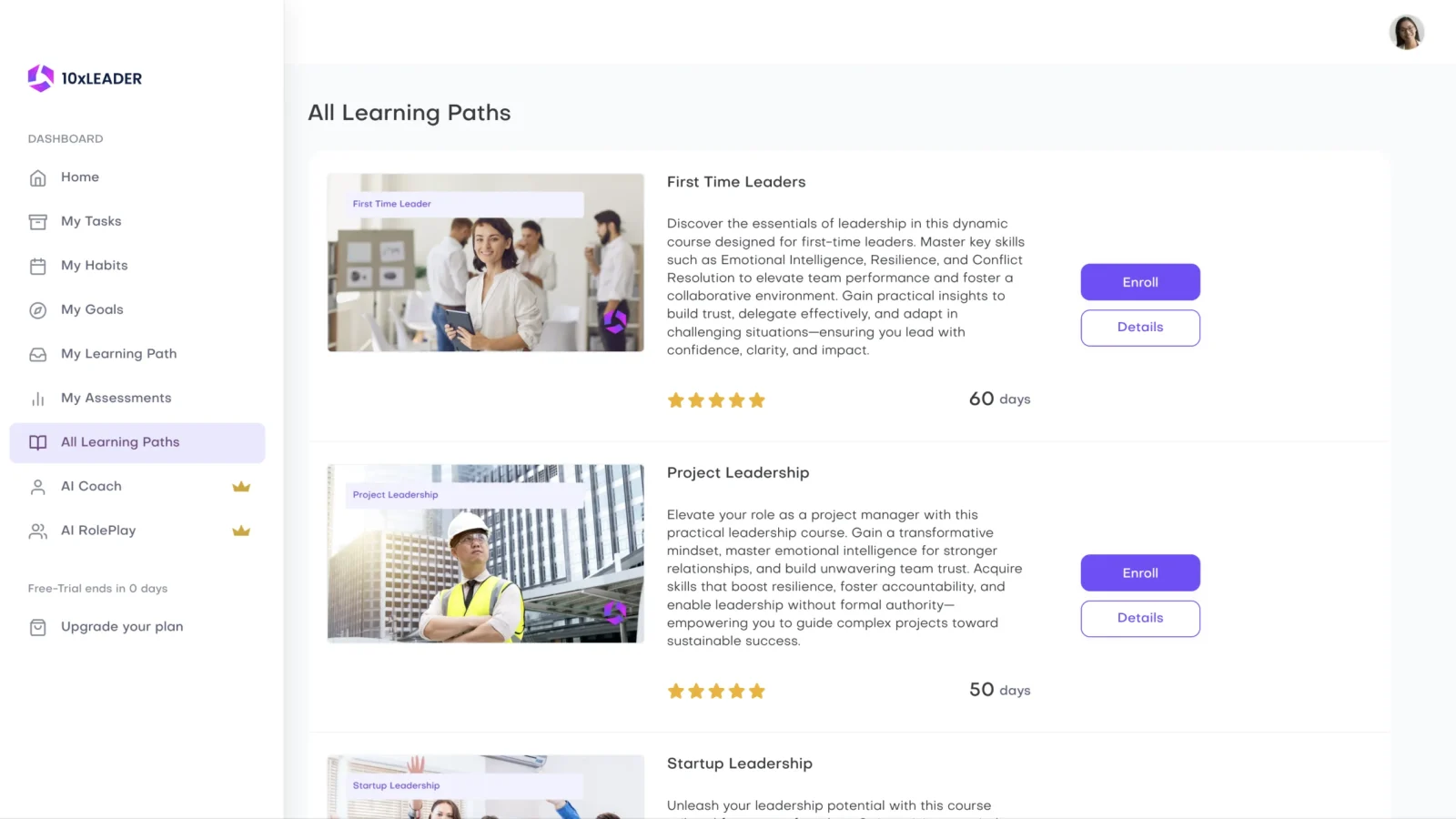
Start your journey with 10xLEADER's innovative features—AI-driven coaching, personalized learning paths, and actionable habits—to redefine leadership in a fast-paced world.