When to Communicate Employee Motivation
Understanding when to communicate employee motivation is crucial for effective leadership. The key is to recognize moments when your team needs direction, encouragement, or a morale boost. Communication is vital during times of change, high stress, or when the team appears disengaged. By being proactive, leaders can reinforce a positive work culture and drive productivity.
When and How to Apply
Apply motivational communication during project kick-offs, after significant achievements, or when team morale seems low. Use these opportunities to align team goals with organizational objectives. Tailor your communication style to fit the situation, ensuring that it resonates with your team. Employ storytelling and personal experiences to make your message relatable and impactful.
Action Items
- Identify Triggers: Recognize signs of low motivation, such as declining productivity or increased absenteeism.
- Schedule Regular Check-ins: Use these moments to provide feedback and recognize accomplishments.
- Encourage Open Communication: Foster an environment where team members feel comfortable sharing their concerns.
- Leverage Storytelling: Share personal experiences or success stories to inspire and motivate your team.
- Align Goals: Ensure team objectives align with broader organizational goals to enhance engagement.
Leadership FAQ
Regularly conduct surveys and one-on-one meetings to gauge motivation and address concerns.
Look for decreased productivity, lack of enthusiasm, or increased absenteeism as potential indicators.
Provide clear communication, support, and recognition to keep morale high and motivation sustained.

Susan Lenning is a leadership expert writing articles for 10xLEADER.
Empower Your Leadership Journey with Innovation
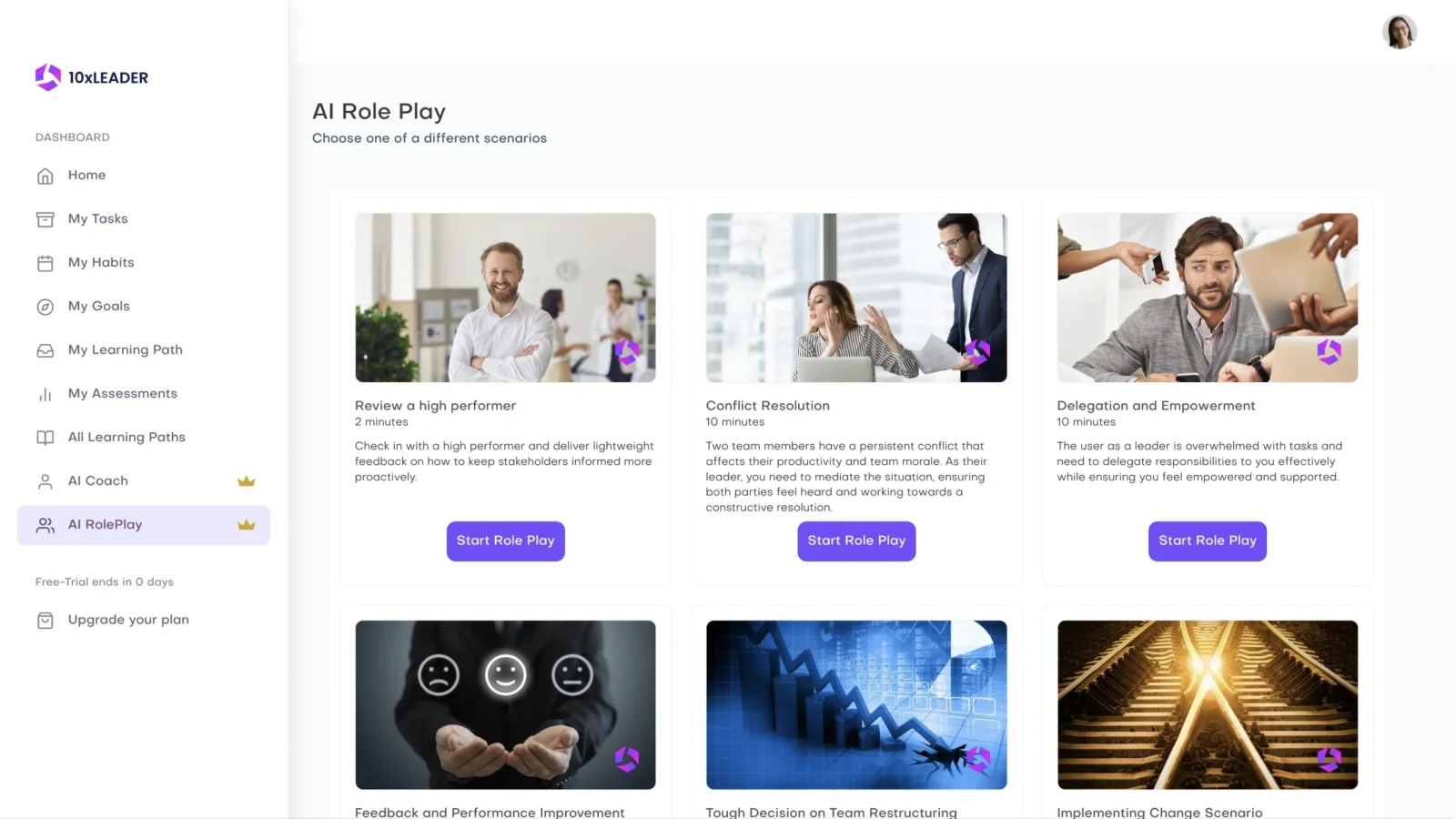
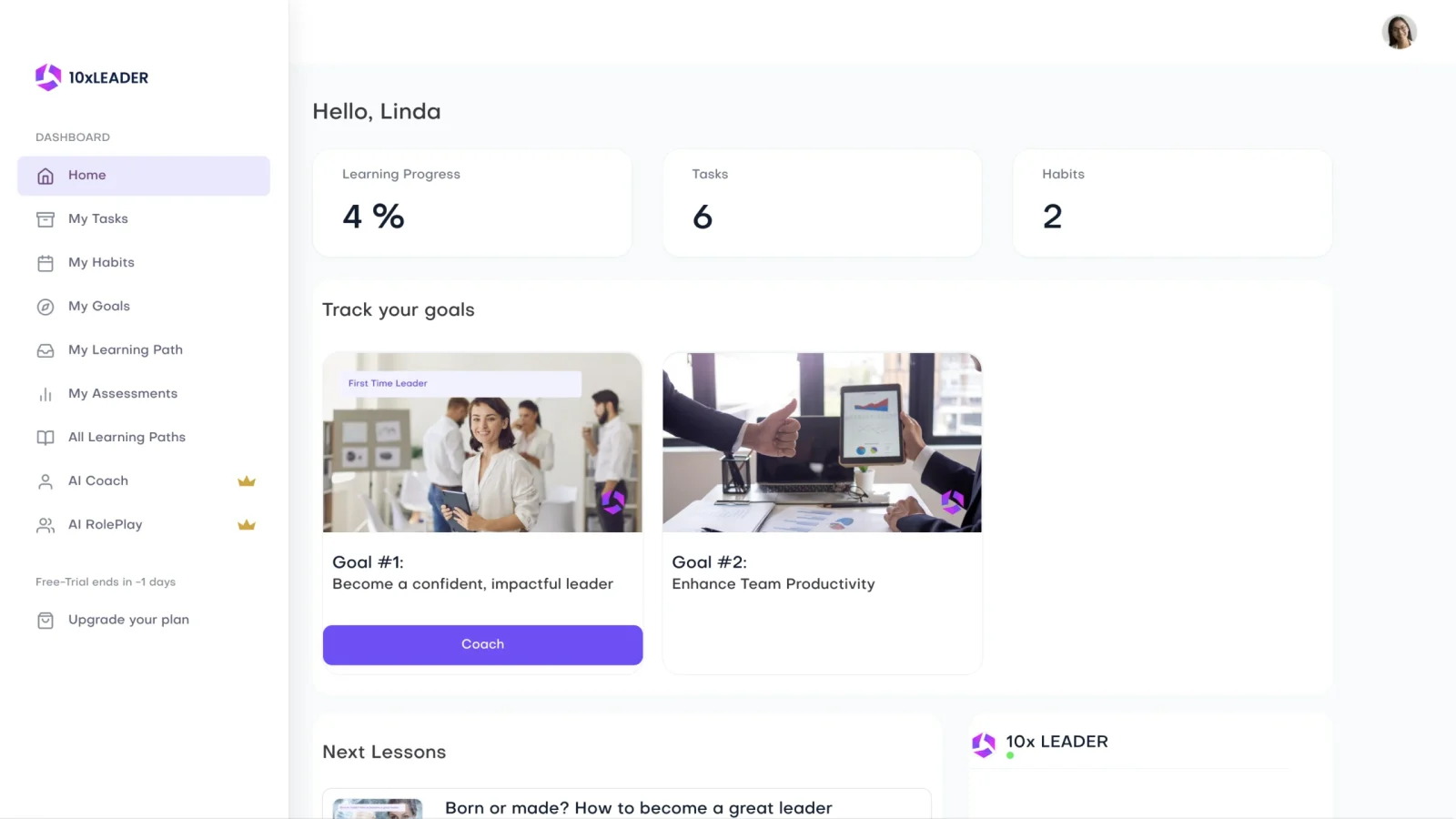
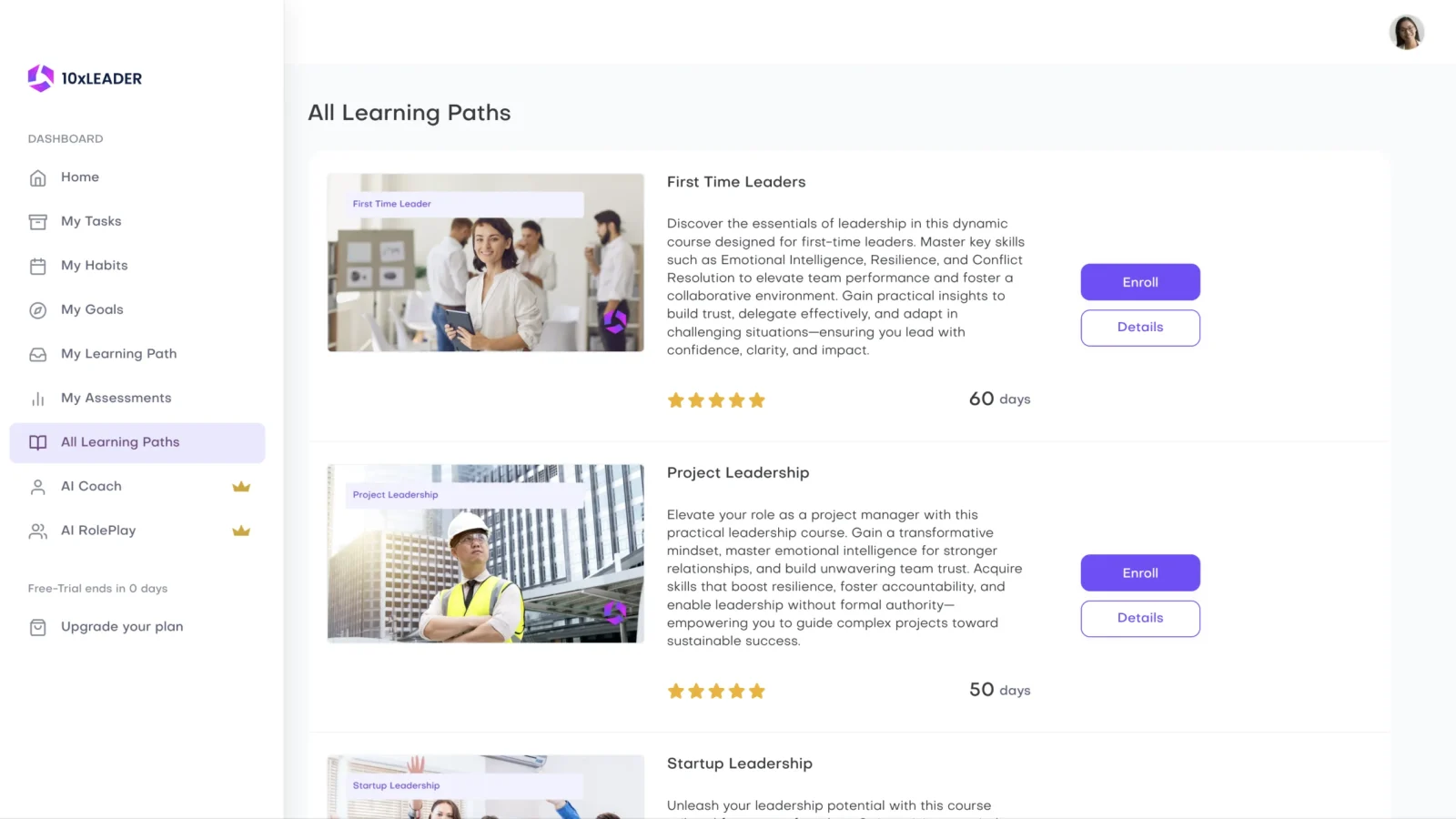
Start your journey with 10xLEADER's innovative features—AI-driven coaching, personalized learning paths, and actionable habits—to redefine leadership in a fast-paced world.