Why is it Hard to Handle Disagreements in a Leadership Team?
Handling disagreements within a leadership team can be challenging due to diverse perspectives, strong personalities, and varying priorities. Each leader brings their unique vision and strategy, which can lead to conflicts when aligning on common goals. Moreover, the presence of egos and the pressure to maintain authority can complicate open communication, impeding effective conflict resolution.
When and How to Apply
Apply conflict resolution strategies proactively during team meetings or strategic planning sessions. Recognize signs of disagreement early and address them before they escalate. Encourage an open culture where team members feel safe to express differing opinions without fear of retribution. This approach fosters a collaborative environment essential for resolving conflicts constructively.
Action Items
- Establish Clear Communication Channels: Create formal avenues for team members to express concerns and ideas. This ensures transparency and clarity in discussions.
- Encourage Diverse Perspectives: Embrace the varied backgrounds and experiences of your leadership team. This diversity can lead to innovative solutions when managed effectively.
- Define Roles and Responsibilities: Clearly outline each leader’s role to prevent overlap and reduce potential conflicts over authority and decision-making.
- Promote Emotional Intelligence: Train leaders to recognize and manage their emotions and those of others to maintain a harmonious team dynamic.
- Regular Team Building Activities: Foster trust and understanding among team members through activities that strengthen relationships outside of the regular work context.
By implementing these strategies, leadership teams can effectively manage disagreements, leading to a more cohesive and productive organizational environment.
Leadership FAQ
Leaders should foster open communication, encourage diverse perspectives, and mediate conflicts impartially to find common ground.
Emotional intelligence helps leaders empathize, manage emotions, and navigate conflicts with a calm, solution-focused approach.
Regular team-building activities, transparent decision-making, and recognizing each member’s contributions can strengthen trust and cohesion.

Susan Lenning is a leadership expert writing articles for 10xLEADER.
Empower Your Leadership Journey with Innovation
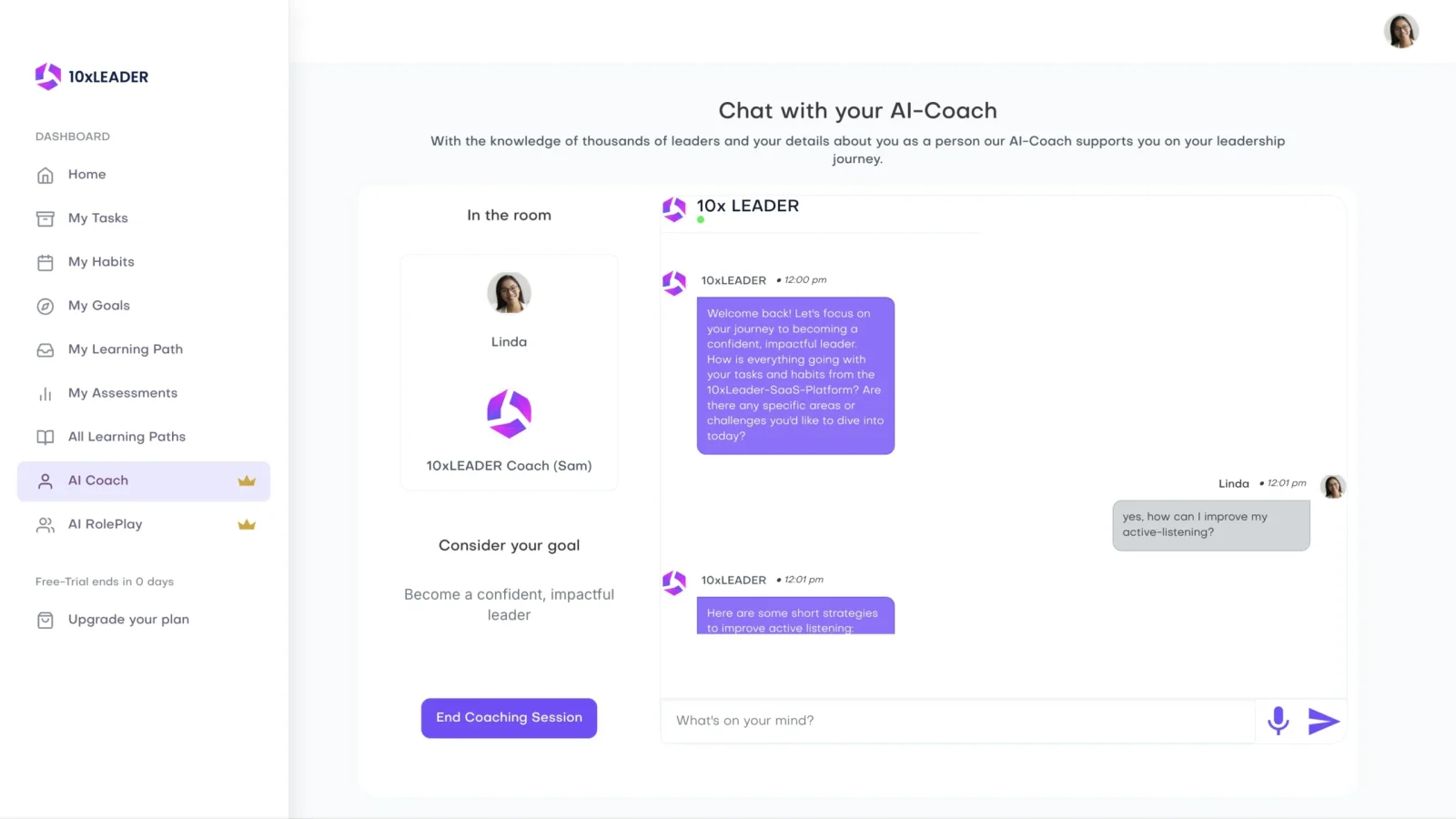
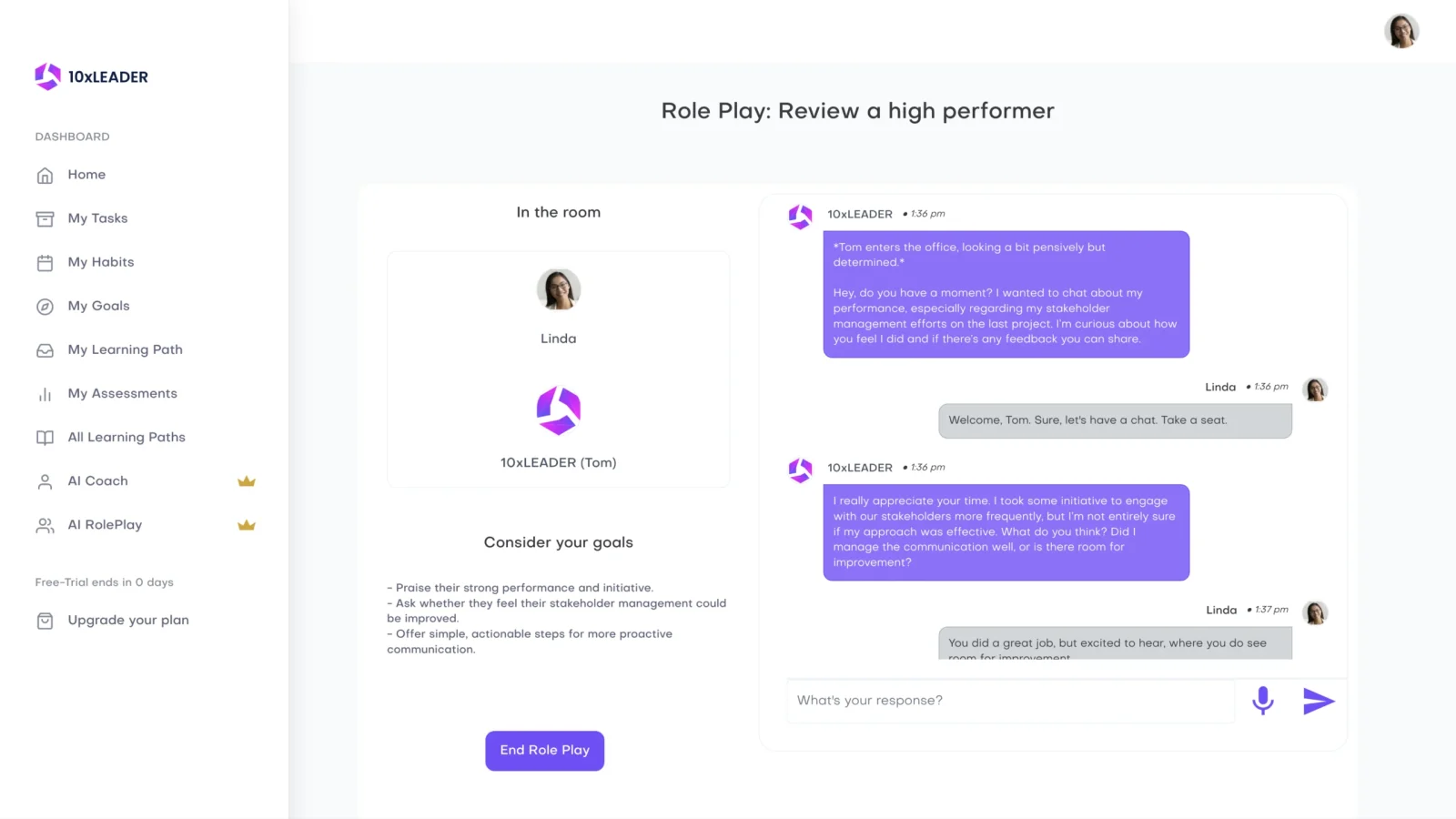
Start your journey with 10xLEADER's innovative features—AI-driven coaching, personalized learning paths, and actionable habits—to redefine leadership in a fast-paced world.