Why is it Hard to Build Remote Engagement?
Building remote engagement can be challenging due to the lack of physical presence, which often leads to communication barriers, feelings of isolation, and reduced team cohesion. Unlike in-person environments, remote teams miss out on spontaneous interactions and non-verbal cues that foster connection and collaboration. Furthermore, the diverse locations and time zones can complicate synchronized teamwork, making it difficult to maintain a unified company culture.
When and How to Apply
To address remote engagement issues, leaders should focus on fostering a strong sense of community and inclusivity. Implementing structured communication channels and regular feedback sessions can help bridge the gap. Use these strategies during team meetings, project kick-offs, and when onboarding new team members to ensure everyone feels connected and valued.
Action Items
- Establish Regular Check-ins: Schedule consistent one-on-one and team meetings to discuss progress, challenges, and personal well-being to maintain transparency and trust.
- Leverage Technology: Utilize collaboration tools like video conferencing and instant messaging to facilitate real-time communication and foster a virtual office atmosphere.
- Encourage Social Interactions: Organize virtual team-building activities, like online games or coffee breaks, to build rapport and camaraderie among team members.
- Recognize and Celebrate Achievements: Highlight team and individual successes in meetings or through public acknowledgments to boost morale and motivation.
- Provide Professional Development Opportunities: Offer online courses and workshops that allow team members to grow and feel invested in, reinforcing their commitment to the organization.
Leadership FAQ
Leaders can improve remote engagement by setting clear expectations, fostering open communication, and leveraging collaboration tools effectively.
Technology is crucial for remote engagement as it facilitates communication, collaboration, and project management across dispersed teams.
Leaders should provide flexible work schedules, promote work-life balance, and regularly check-in with team members to address remote work challenges.

Susan Lenning is a leadership expert writing articles for 10xLEADER.
Empower Your Leadership Journey with Innovation
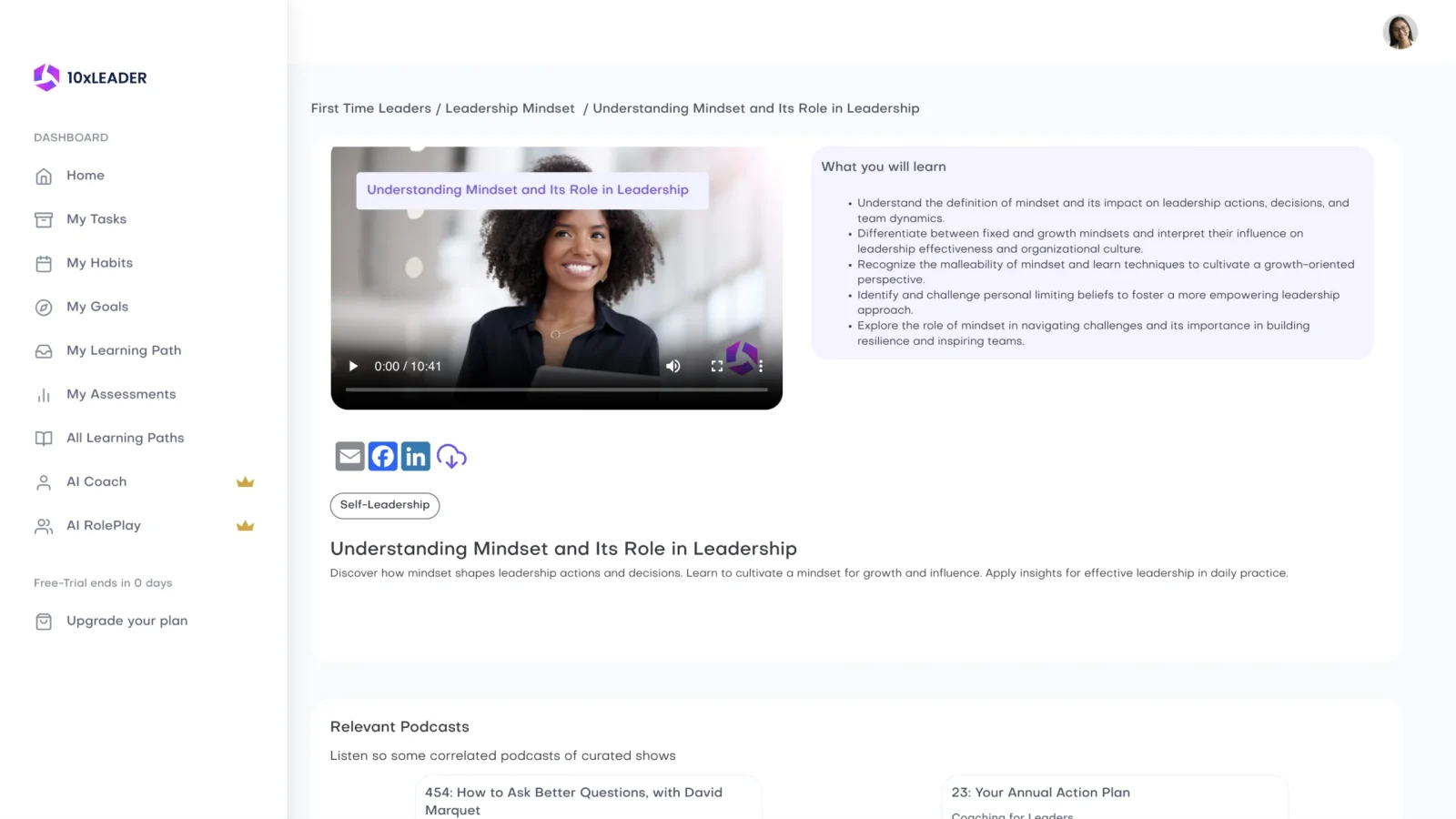
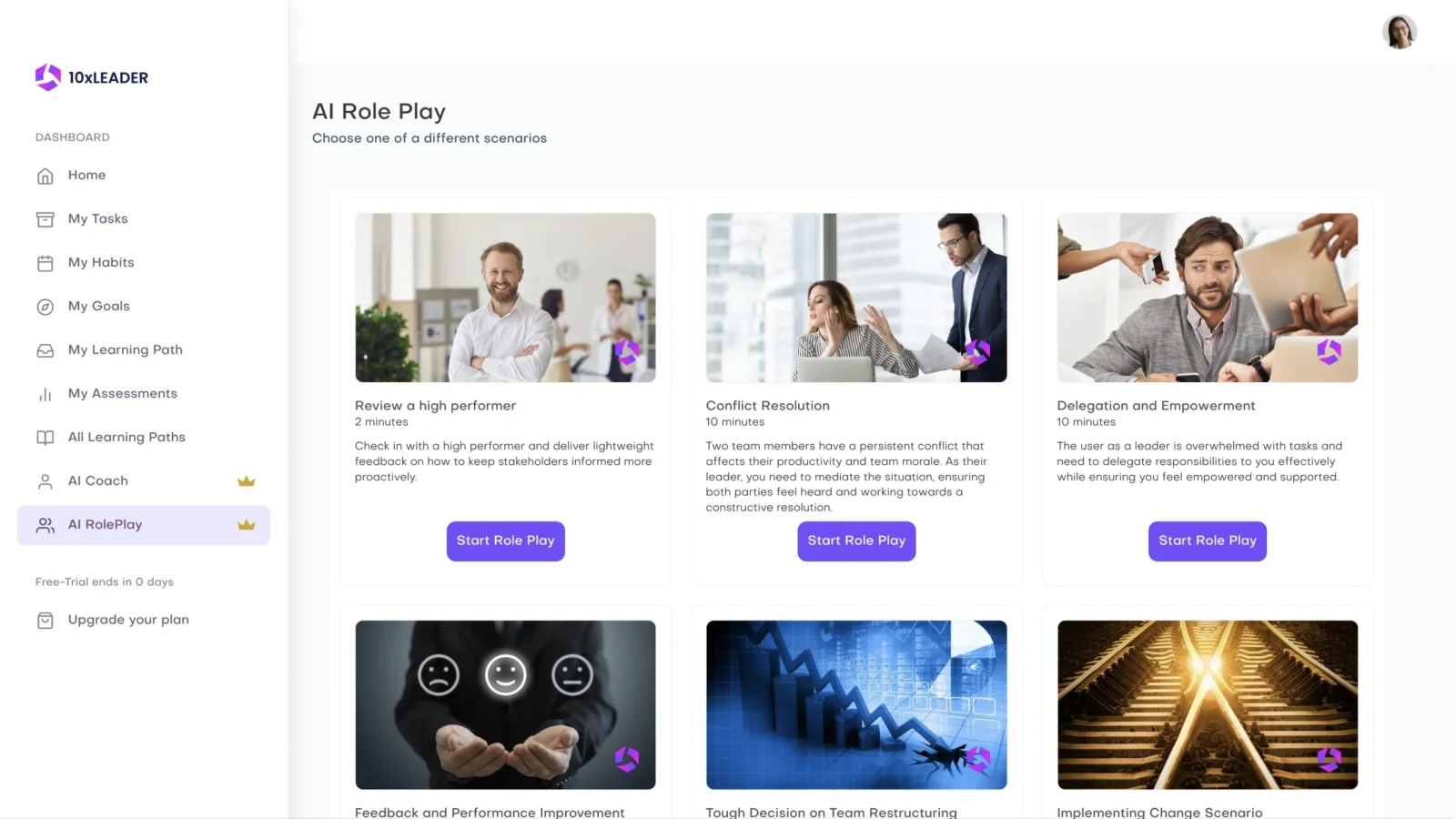
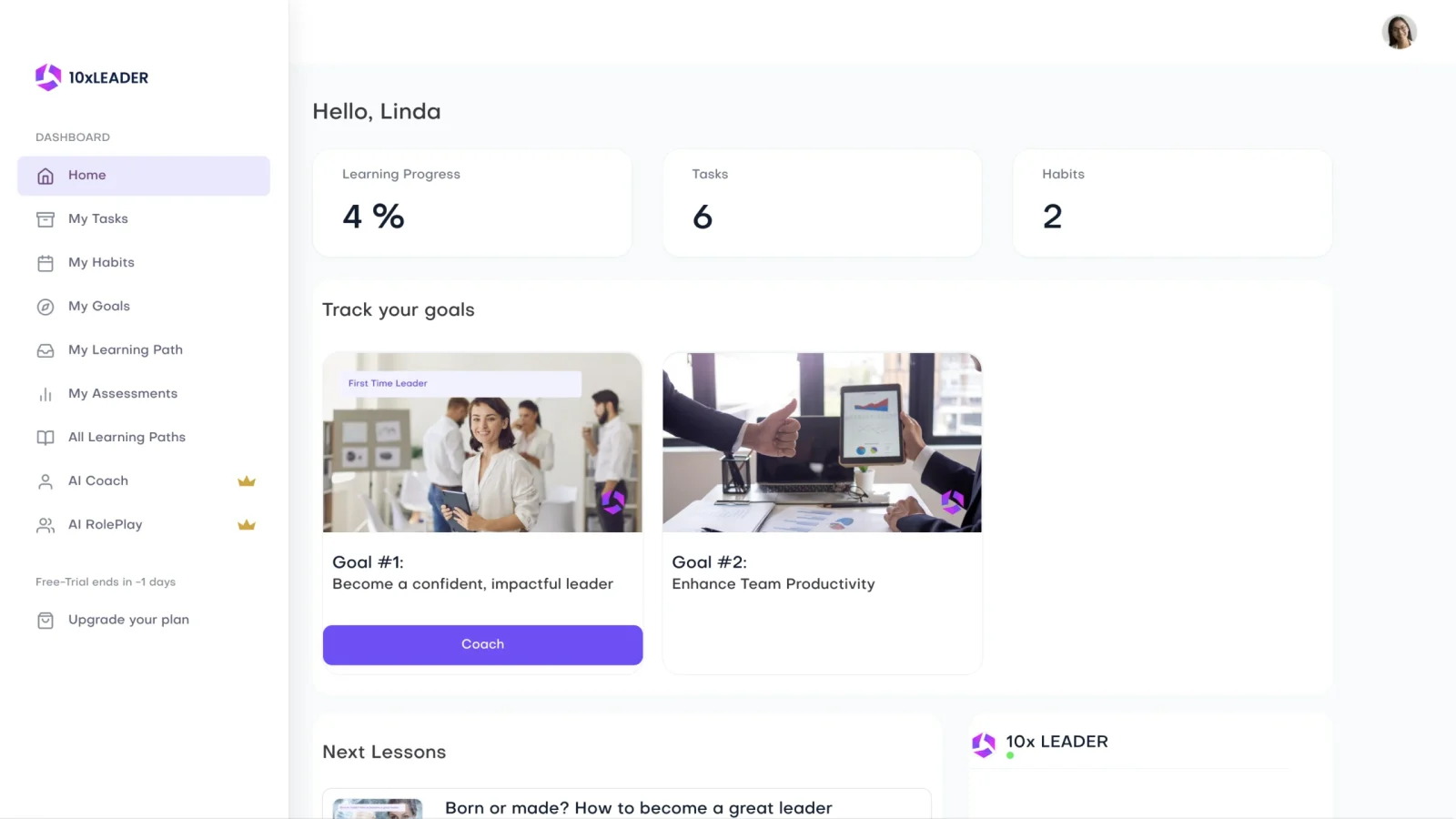
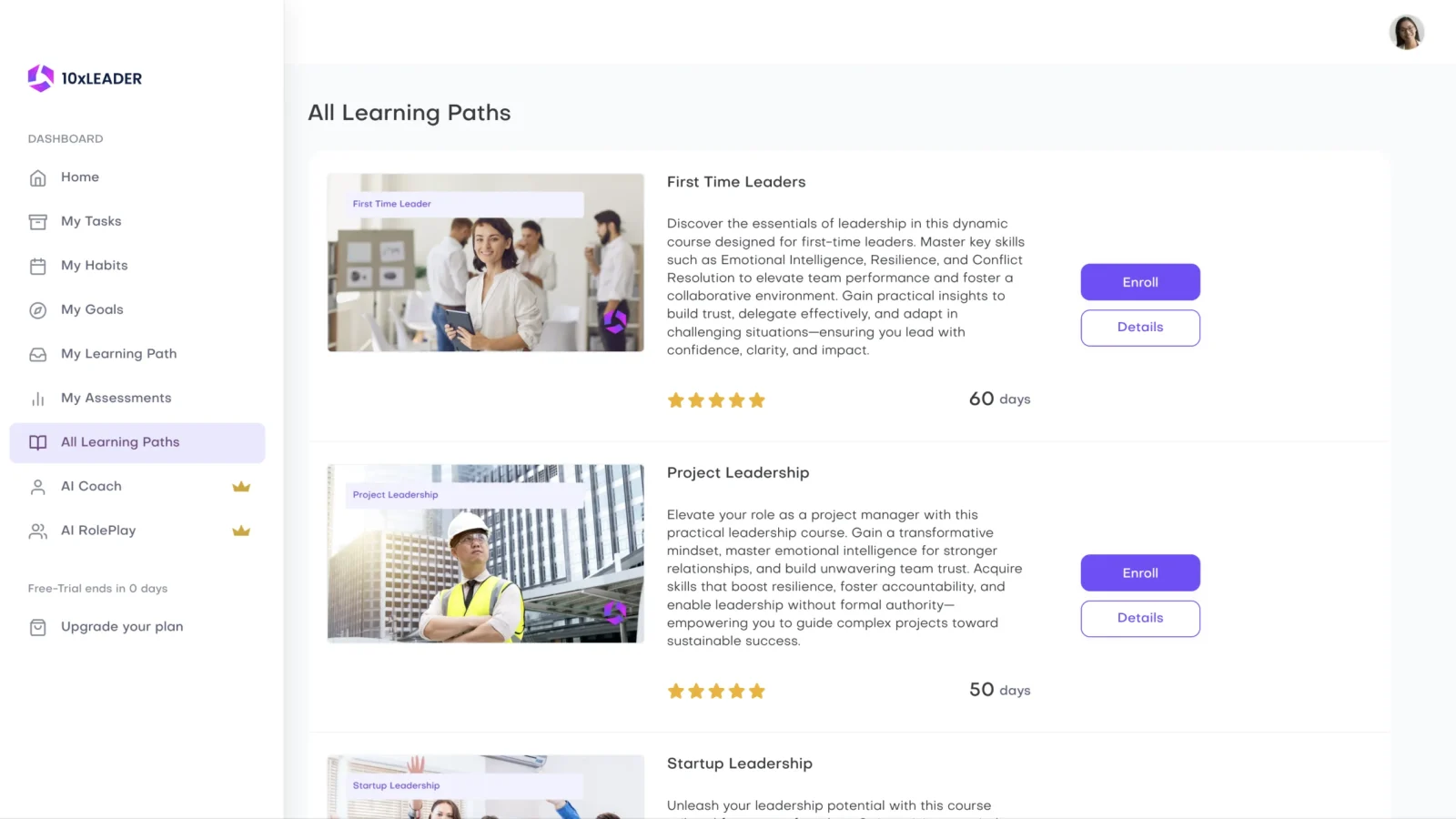
Start your journey with 10xLEADER's innovative features—AI-driven coaching, personalized learning paths, and actionable habits—to redefine leadership in a fast-paced world.